Foundation work is easy to underprice and easy to under-scope. These are the ten items we want in writing before a single pier goes in.
1. An engineer's report, not just a sales measurement
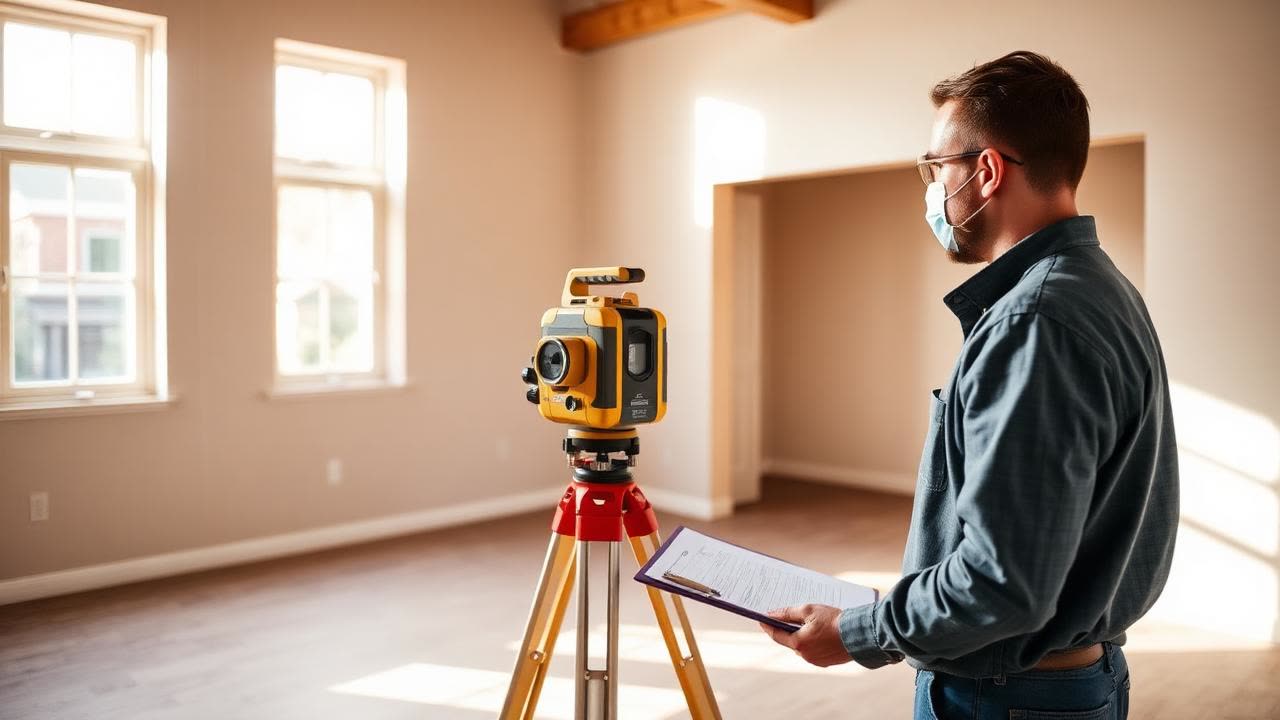
A structural engineer's elevation survey tells you how much the house has moved and where. A free "inspection" from the crew doing the work is a sales tool. On anything beyond a small shim job, pay for the report.
2. A written elevation map
You should get floor elevation readings across the whole house, room by room, before work starts. That is the baseline you measure the finished job against.
3. Correct pier spacing
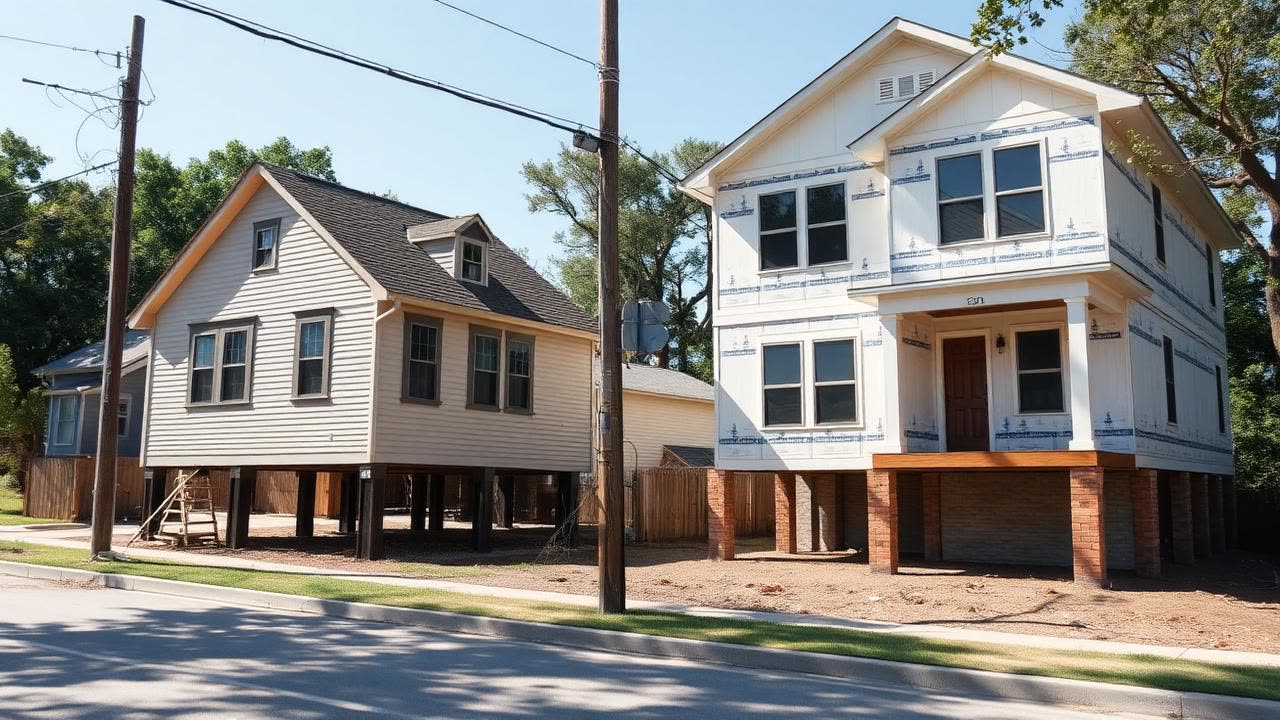
Perimeter piers in Houston are typically spaced six to eight feet apart. A quote with half the piers of the others is a smaller scope, not a better deal.
4. Interior piers where the load actually is
Slab homes with interior load-bearing walls often need interior piers through the floor. Skipping them is the single most common reason a house moves again.
5. Pier type matched to the soil
Pressed concrete cylinders are the local standard. Steel piles and drilled bell-bottom piers cost more and exist for a reason — the report should say which the house needs.
6. A plumbing test before and after
Houston clay moves because it gets wet. A static test before lifting finds the leak that caused the problem, and a test afterward proves the lift did not break a line.
7. Drainage and grading correction in the scope
Gutters, downspout extensions, positive grade away from the slab, and a French drain where water sits. Level the house, fix the water, or you will do this twice.
8. A realistic lift target
Good contractors lift toward practical level, not perfectly flat. Chasing the last half inch cracks brick, drywall, and door frames.
9. Cosmetic repair expectations in writing
Doors will need adjusting, sheetrock will crack, and tile may pop. Know before you sign who patches what.
10. A transferable written warranty
Lifetime, transferable to the next owner, with the adjustment terms spelled out. A verbal warranty from a crew that may not exist in five years is worth nothing.
The short version
Get the report, get the pier plan, test the plumbing, fix the drainage, and hold the warranty in writing. Do those five and the other five take care of themselves.