Fire Pit
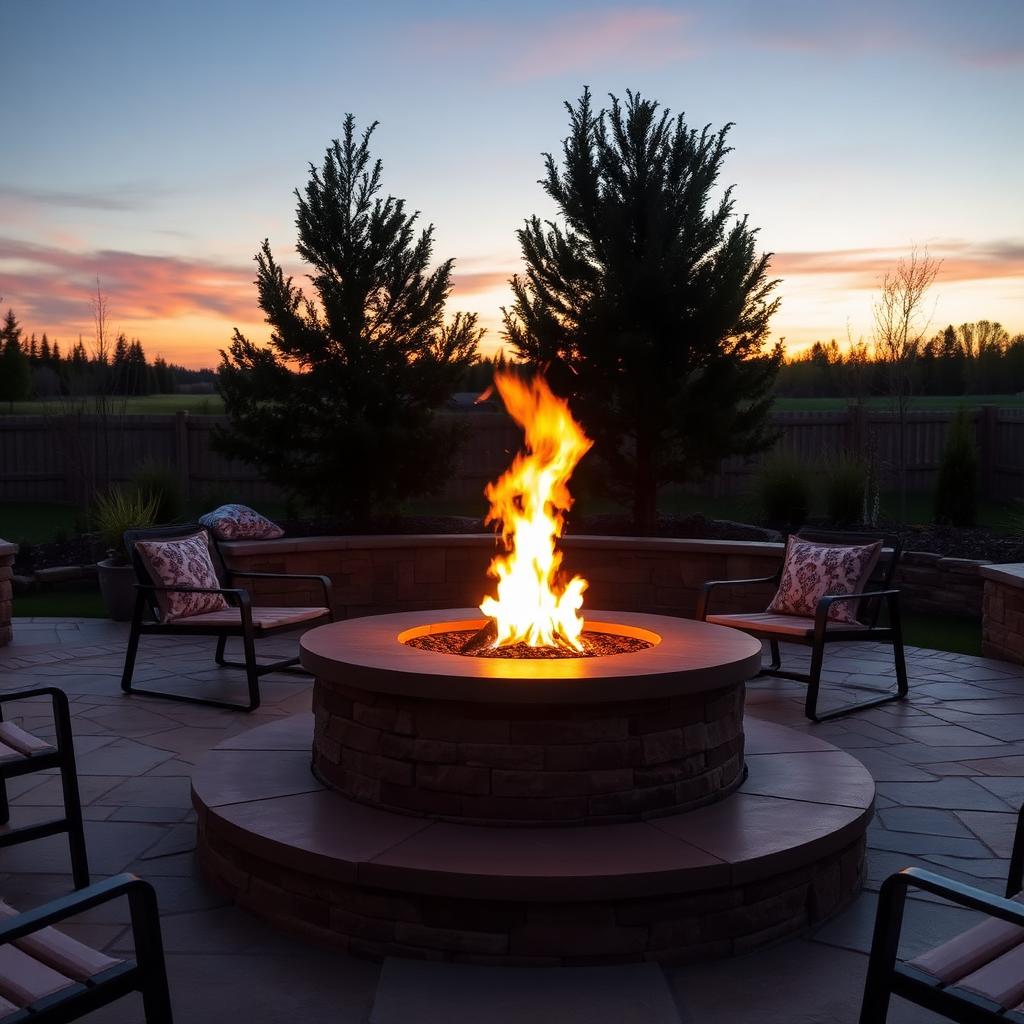
Wood-burning and gas fire pits in stone, concrete, and modern steel designs.
Materials
What we install vs. what corner-cutters use.
Burner
Stainless steel air-mixer ring, fire glass or lava rock.
low-grade perforated pipe burner.
Why it matters: low-grade burners plug and rust; quality burners last decades.
Surround
Stone veneer over CMU or concrete pit.
Loose stones stacked around a hole.
Why it matters: Loose stones shift and crack; engineered pits are permanent.
Ignition
Electronic ignition with flame-sensor safety.
Match-lit with no safety.
Why it matters: Electronic ignition shuts off gas if flame fails.
Process
A predictable path — with real durations.
Design & permit
2–5 daysLocation, sizing, gas line plan, permit if gas.
Foundation
1 dayPour concrete pad.
Structure
2–3 daysBuild CMU pit, veneer with stone.
Gas & burner
1 dayRun gas line, install burner and media, pressure-test.
Startup
1 hourFirst light, safety check, walkthrough.
Customer projects across Houston
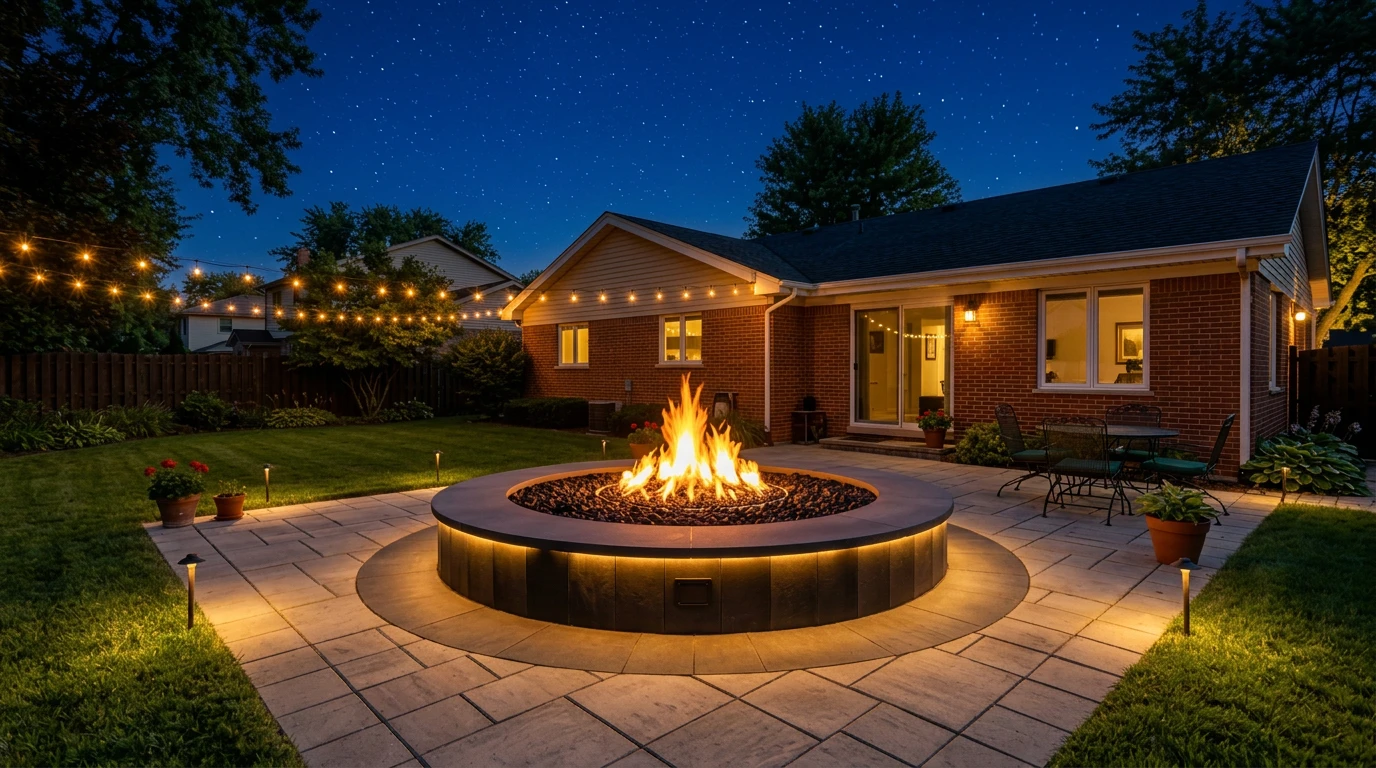
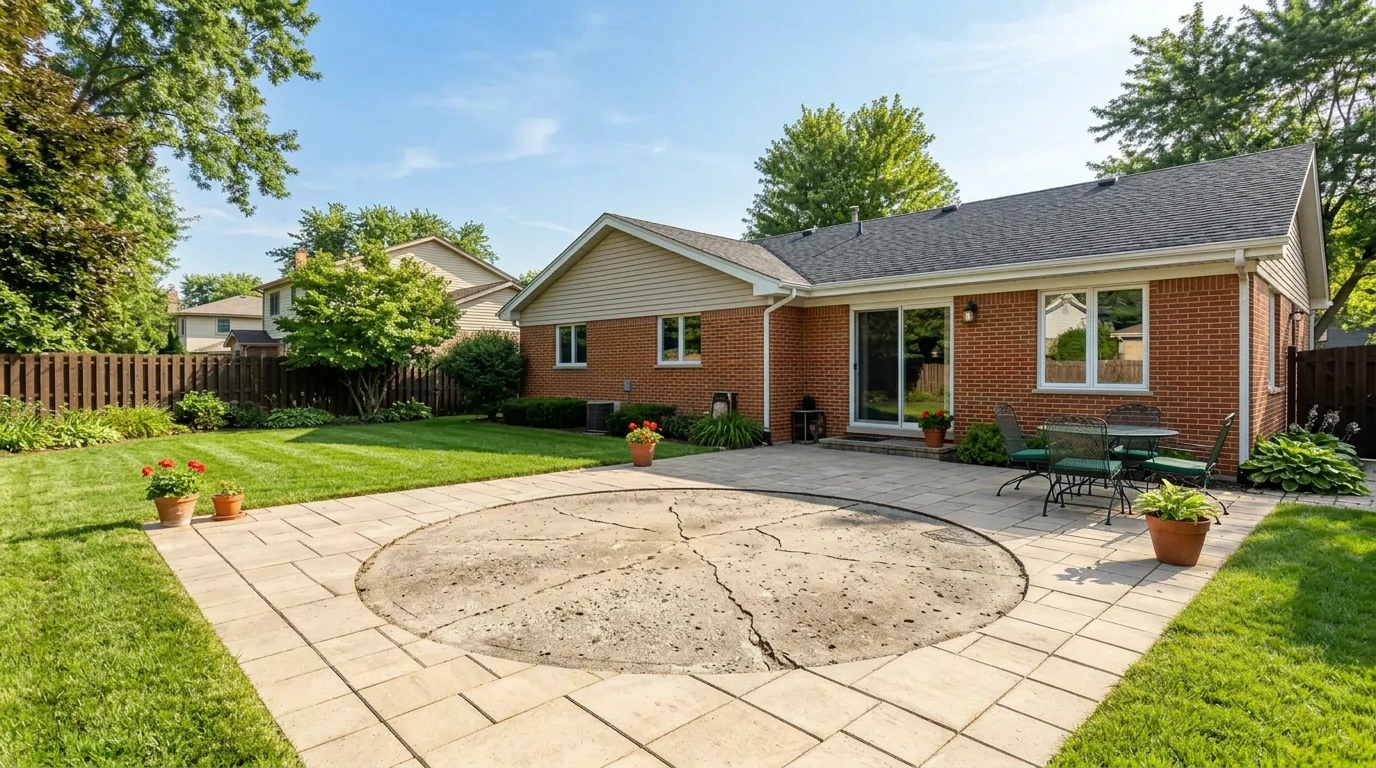
Drag to reveal the fire pit transformation.
Recent fire pit projects from neighborhoods across the Houston area. Drag the slider on each image to see the before and after.
Why us
Why homeowners pick Modern Builders for fire pit.
Every gas fire pit gets a proper burner — a stainless steel air-mixer ring, not the low-grade perforated pipe that plugs and rusts within a season. Gas lines are pressure-tested and inspected. Enclosed gas fire pits get a vent to prevent gas buildup — code and common sense. Wood-burning pits are set at code-required clearance from overhead structures and combustibles. That's usually 10 feet from the house and any patio cover.
FAQs
Answers before you ask.
Gas or wood?+
Gas is easier, cleaner, instant-on. Wood is the classic experience with real crackle and smoke.
Where should I put it?+
10+ feet from combustibles (house, patio cover). Away from prevailing wind. Where it fits your entertaining layout.
Do I need a permit?+
Yes for gas. Wood usually not, but check local code.
Can I use it year-round?+
Yes — that's the point in Houston. Great from October through April.
Related reading
Go deeper before you decide.
Get a quote — we do it right.
Fixed-price proposals, real timelines, no corners cut. Tell us about your fire pit project.
Request your quote