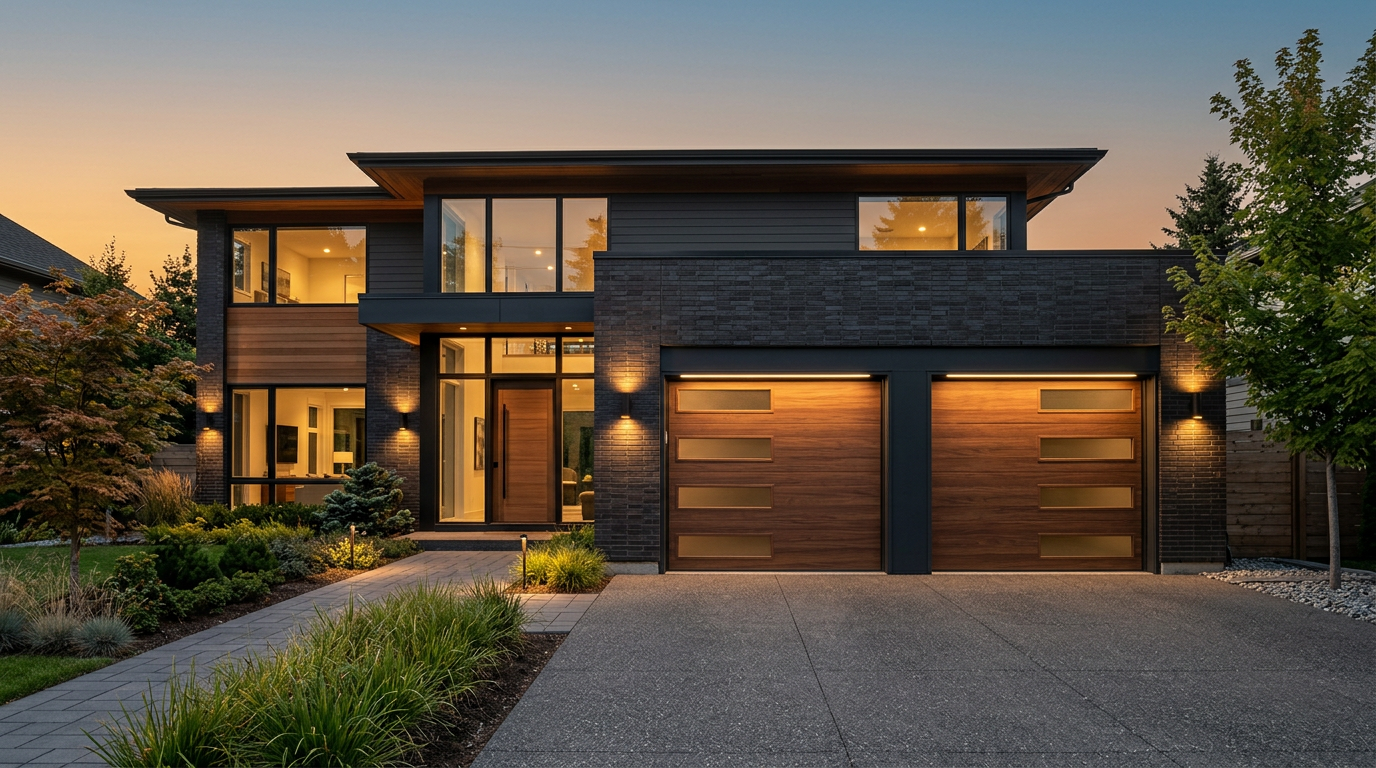
When you pull up to your house, take a moment to look at it the way a visitor or a prospective buyer would. On many American homes, the garage doors make up 30% to 40% of the front-facing elevation. Because it occupies so much visual real estate, a dated, dented, or fading garage door can drag down the look of an otherwise beautiful home. Conversely, upgrading this single element can completely transform your home's curb reputation. It is one of the few home improvement projects that consistently recovers over 90% of its cost in added home value, making it one of the smartest investments a homeowner can make.
Choosing the right garage door requires balancing curb appeal, durability, energy efficiency, and everyday functionality. Here is what you need to know to make an informed decision for your home.
Comparing Garage Door Materials
The material you choose dictating not only how your door looks, but also how long it lasts, how much maintenance it requires, and how it performs in different weather conditions.
Steel
Steel is the most popular material on the market for a reason. It is incredibly durable, relatively low-maintenance, and available at almost every price point.
- Value Tier: Single-layer doors consisting of a single sheet of steel. They are budget-friendly but prone to denting and offer no insulation.
- Mid-Range Tier: Double-layer doors featuring a steel exterior backed by a layer of vinyl-faced polystyrene insulation. This adds rigidity and quietness.
- Premium Tier: Triple-layer (or sandwich) doors with polyurethane insulation injected between two sheets of high-grade steel. These are exceptionally strong, dent-resistant, and highly insulated.
Wood
For undeniable character, warmth, and high-end aesthetic appeal, natural wood is unmatched. Wood doors can be customized with various relief patterns, windows, and wood species like cedar, redwood, or mahogany. However, wood is heavy, which means your springs and opener must be correctly sized to handle the load. It also requires regular staining or painting every few years to prevent rotting, warping, and sun damage.
Composite and Fiberglass
If you love the look of wood but dread the maintenance, wood composite or fiberglass doors are excellent alternatives.
- Composite: Uses recycled wood fibers blended with resins to create a durable, rot-resistant surface layer over an insulated steel core.
- Fiberglass: Features a molded fiberglass skin that mimics natural wood grain over an insulated core. While highly resistant to moisture, fiberglass can become brittle over time in extremely cold climates.
Aluminum and Glass
For a sleek, contemporary aesthetic, aluminum frames paired with glass panels are the gold standard. Aluminum is naturally resistant to rust and corrosion, making it perfect for coastal regions. Because these doors feature large expanses of glass, they are typically lighter than solid wood but require sturdy framing. You can select clear, frosted, or tinted tempered glass to balance light and privacy.
| Material | Durability | Maintenance | Cost Range | Best For |
|---|---|---|---|---|
| Steel | High | Low | Budget to Moderate | Most homeowners seeking value and durability |
| Wood | Moderate | High | Premium | Historical, rustic, or premium custom homes |
| Composite | High | Low to Moderate | Moderate to Premium | Homeowners wanting wood aesthetics without the upkeep |
| Aluminum & Glass | High | Low | Premium | Mid-century modern and contemporary architecture |
Finding Your Style
Because your garage door is highly visible, you want a style that complements your home’s architectural DNA rather than fighting it.
Traditional Raised-Panel
This is the most common style you see in suburban neighborhoods. It features symmetrical rectangular panels that can be raised or recessed. They are highly versatile and fit comfortably on ranch homes, split-levels, and colonials. They can be customized with window inserts along the top panel to break up the solid surface.
Carriage House
Carriage house doors evoke the charm of historical swing-out barn doors. While they look like they swing open from the middle, they actually roll up vertically just like standard sectional doors. They feature decorative hardware like wrought-iron handles and hinges, making them a perfect match for Craftsman, Victorian, colonial, and farmhouse-style homes.
Modern Flush
If your home features clean lines, flat roofs, or minimalist architecture, a flush panel door is often the best choice. Flush doors have no raised details; they are completely flat, smooth panels. They are often painted in bold, dark colors—such as charcoal grey, black, or dark bronze—or finished with horizontal wood-grain patterns to create a clean, sophisticated look.
Full-View Glass
Commonly paired with aluminum frames, full-view glass doors let natural light flood your garage during the day and turn your garage into a glowing architectural feature at night. It is a bold, upscale choice that works beautifully with modern, commercial-industrial, or transitional home designs.
Why R-Value Matters More Than You Think
A garage door’s R-value measures its thermal resistance—essentially, how well it stops heat from traveling through the door. A higher R-value means better insulation performance. While you might think an unheated garage doesn't need insulation, there are three scenarios where a high R-value is crucial.
1. Attached Garages
If your garage shares a common wall with your living space, a drafty, uninsulated garage door acts like a giant radiator, sucking heat out of your home in the winter and dumping hot air into it during the summer. An insulated door helps stabilize the temperature in the garage, reducing the workload on your home's HVAC system and lowering your energy bills.
2. Living Space Above the Garage
If you have a bedroom, home office, or bonus room directly above your garage, that room is highly susceptible to temperature swings. Insulating the garage door keeps the floor of the room above comfortable and eliminates the drafty "chilled floor" effect common in winter.
3. EV Charging and Workspaces
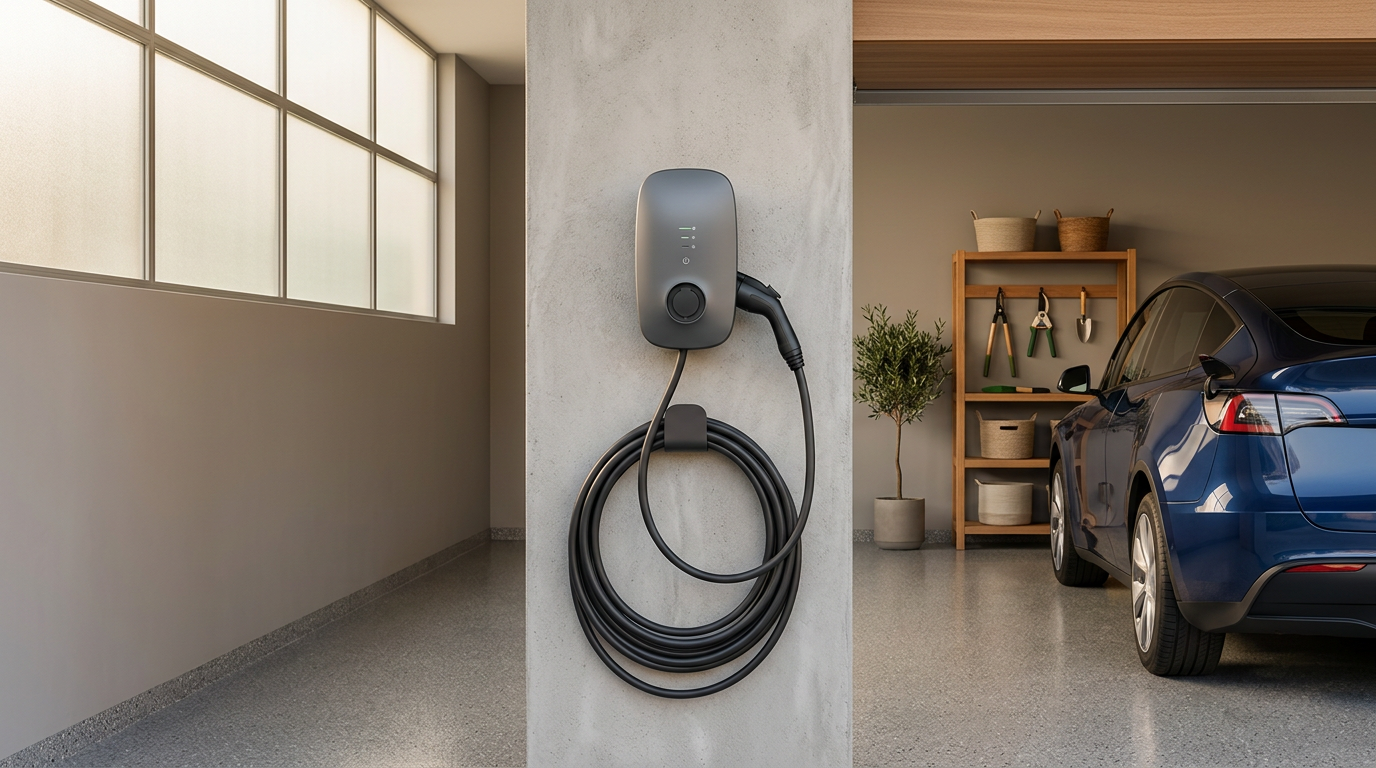
If you use your garage as a workshop, home gym, or have a dedicated electric vehicle (EV) charging setup, you will spend more time in there. Extreme temperatures can degrade EV battery performance over time. An insulated door helps keep your garage at a more moderate, battery-friendly temperature year-round.
Modern Convenience: Smart Openers
The days of clunky, single-button clickers clipped to your car's sun visor are quickly fading. Today’s smart openers offer a level of convenience and security that traditional systems simply cannot match.
Modern systems from industry leaders like LiftMaster, powered by myQ technology, connect directly to your home’s Wi-Fi. This allows you to monitor and control your garage door from anywhere in the world using your smartphone.
- Real-Time Alerts: Get a push notification if your kids forget to close the door after school, or if the door is opened late at night.
- Remote Deliveries: You can grant temporary access to delivery drivers or service professionals. Programs like Amazon Key allow drivers to place packages safely inside your garage, protecting them from weather and package thieves.
- Camera Integration: Modern smart openers now feature built-in HD video cameras with two-way audio. You can see who is entering your garage in real time, even if you are at the office or on vacation.
Essential Safety Standards
A garage door is typically the largest, heaviest moving object in your home. Because it operates under immense spring tension, safety features are not just optional extras—they are critical lines of defense.
- Photo-Eye Sensors: Mounted just a few inches off the ground on both sides of the door frame, these sensors project an invisible infrared beam. If anything interrupts that beam while the door is closing, the door immediately stops and reverses back to the open position.
- Auto-Reverse Mechanism: This system senses physical resistance. If the bottom edge of the door strikes an object (such as a forgotten toy or car bumper) while closing, the motor immediately reverses direction.
- Battery Backup systems: Power outages can trap your car inside the garage. Several states, including California, require all new garage door opener installations to include a battery backup system. This ensures that even during a major power outage or wildfire evacuation, you can still easily open your door with the push of a button rather than struggling with a heavy manual release cord.
Professional Installation and Tuning
While some home projects make great weekend DIY tasks, a garage door replacement is generally not one of them. The tension springs that balance the weight of the door are under intense, potentially dangerous mechanical pressure. Correctly aligning the tracks, balancing the door, and adjusting the safety sensors require specialized tools and training. A professional installation ensures your door operating smoothly, quietly, and safely for years to come.
If you are ready to explore your options, upgrade your home's security, and dramatically boost your curb appeal, the team at Modern Builders of America is here to help. Contact us today to schedule your free in-home estimate, and we will work with you to find the perfect door for your home, style, and budget.