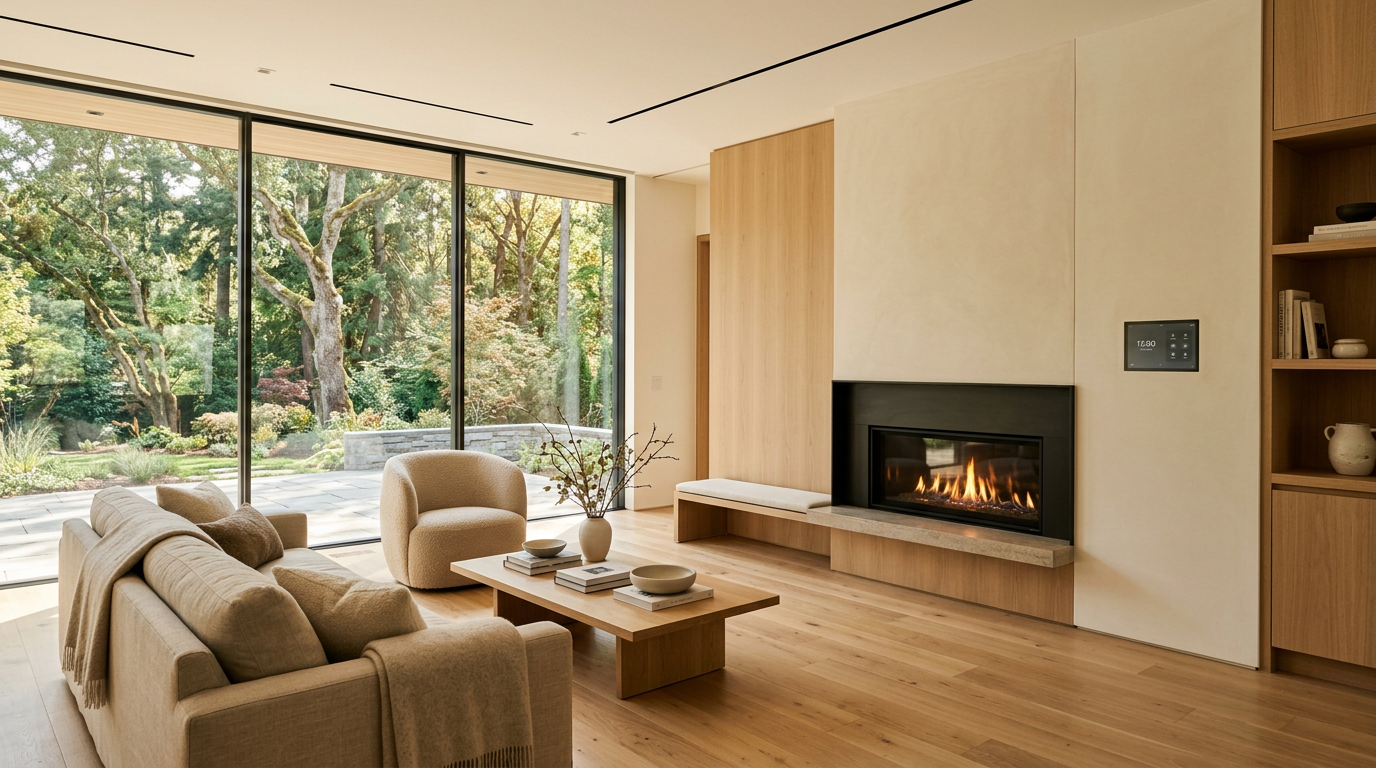
When you walk into a high-end boutique hotel or a luxury resort, one of the first things you notice is the scent. It is rarely overpowering, yet it feels entirely woven into the architecture of the space. Achieving that same continuous, sophisticated ambiance at home is notoriously difficult with standard retail products.
If you are tired of cluttering your countertops with plug-ins or worrying about open candle flames, HVAC-integrated whole-home scenting offers a seamless, professional-grade alternative. By leveraging your home’s existing ductwork, these systems deliver a consistent, subtle fragrance to every room simultaneously.
How Whole-Home Scenting Works
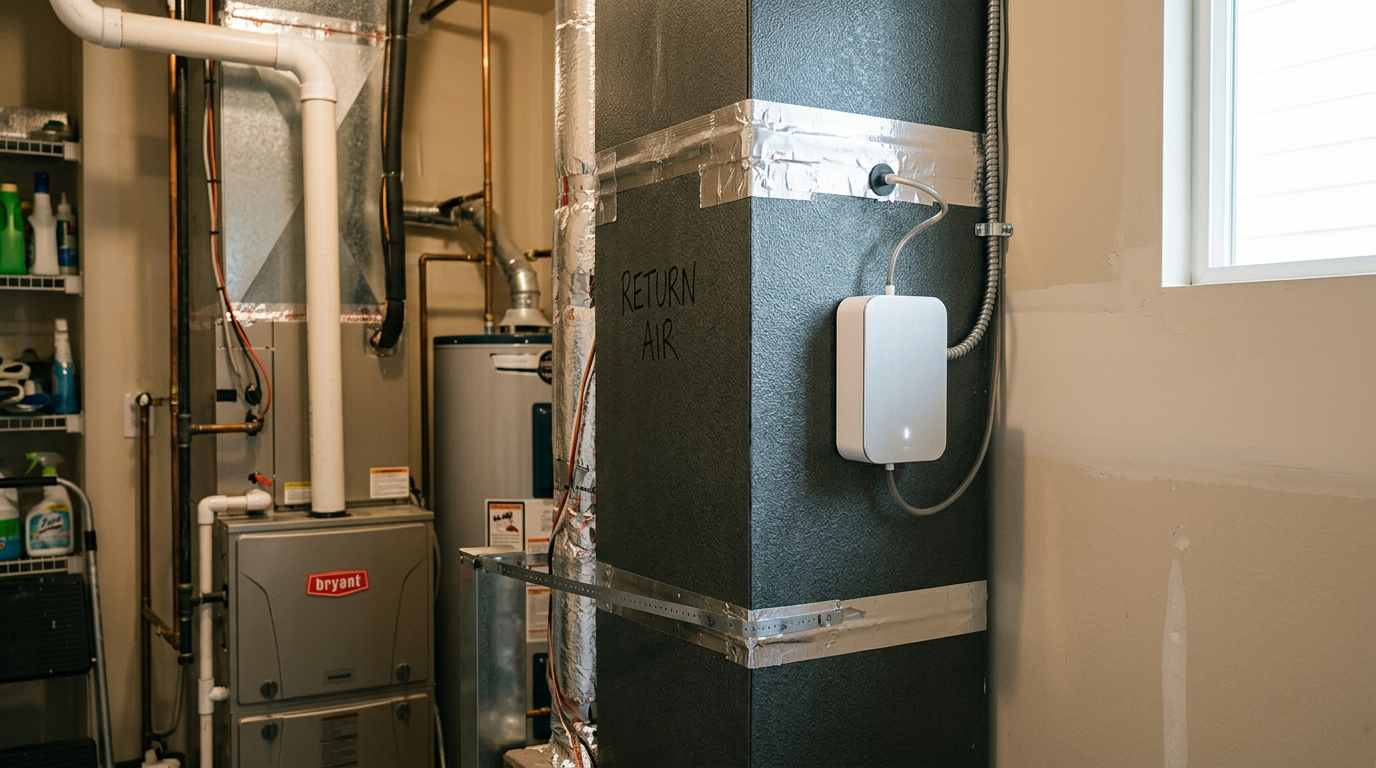
Unlike traditional air fresheners that rely on heat or evaporation, a whole-home system uses a process called cold-air atomization. A small, motorized nebulizing diffuser is professionally mounted near your HVAC system’s return air plenum—the main duct that pulls air out of your living spaces to be filtered, heated, or cooled.
[Return Air Duct] ---> [Nebulizing Diffuser] ---> [HVAC Fan/Blower] ---> [Duct Network] ---> [Your Rooms]
Here is how the process unfolds:
- Cold-Air Diffusion: The system uses filtered, pressurized air to break down liquid, essential-oil-based fragrances into a dry, ultra-fine mist of micro-droplets. No water or heat is ever used.
- Suspension: Because the droplets are incredibly small—typically under one micron in diameter—they do not settle on your walls, furniture, or inside the ductwork. They remain suspended in the air stream.
- Distribution: When your HVAC system’s blower fan runs, it carries this dry mist through the supply ducts, distributing a perfectly even scent profile to every corner of your home.
Most of these systems are wired directly to your HVAC system's fan limit switch or use an air pressure switch. This ensures the diffuser only disperses fragrance when air is actively moving through the ducts, preventing the scent from concentrating in one section of pipe.
Whole-Home vs. Standalone Options
To understand why homeowners make the switch to built-in scenting systems, it helps to compare them to localized, standalone options.
| Scenting Method | Distribution | Longevity & Consistency | Safety & Maintenance |
|---|---|---|---|
| HVAC-Integrated Scenting | Even, house-wide coverage using existing ductwork. | Highly consistent; automated scheduling; low hands-on time. | Closed system; no open flame or hot wax; requires professional install. |
| Plug-in Warmers | Highly localized; strongest right next to the outlet. | Tends to spike in intensity initially, then fades rapidly; synthetic oils. | Can overheat; oil can damage paint or wood if spilled; uses outlets. |
| Scented Candles | Limited to a single open room or immediate area. | High scent throw initially, but entirely manual and temporary. | Fire hazard; produces soot and VOCs; requires active monitoring. |
| Reed Diffusers | Extremely localized; only effective in small spaces like bathrooms. | Passive and constant, but fades as the reeds saturate. | Low risk, but easy to knock over; limited fragrance reach. |
Standalone options certainly have their place for targeted, occasional use, but they fail to create a cohesive sensory environment throughout a large floor plan. They also require constant monitoring, buying refills, and replacing burned-out units.
Reservoirs, Refill Intervals, and Scent Zones
A professional whole-home scenting system is designed to run in the background with minimal homeowner intervention.
Cartridge and Reservoir Lifespans
The fragrance oil is housed in a dedicated reservoir inside the unit. Depending on the size of your home, the concentration level you select, and your daily operating schedule, a single fragrance cartridge typically lasts between 30 and 90 days. Replacing a cartridge is simple, usually requiring you to unlock the unit’s cabinet, unscrew the empty bottle, and twist a new one into place.
Scent Zones and Flow Control
With a standard installation, the scent is delivered to the entire house because the mist is introduced into the main trunk line of your ductwork. However, if you have a zoned HVAC system with automatic dampers, you can target specific areas of your home.
For homes without physical HVAC zoning, you can still control the intensity. High-end diffusers feature digital controllers—and often smartphone apps—that allow you to adjust the fragrance concentration, set daily run times, and program "off" hours when you are asleep or at work.
Choosing the Right System Scale
Smart-home brands like Aera and Pura offer smaller footprint systems designed for localized areas or smaller residences. For comprehensive, estate-sized homes, commercial-grade systems from brands like AromaTech or ScentAir are preferred. These robust systems can handle larger air volumes and feature larger reservoirs, meaning fewer trips to the utility closet to swap out cartridges.
Crucial Safety and Installation Guidelines
Because these systems interface directly with your home’s heating and cooling infrastructure, proper installation and usage are paramount to protecting your HVAC equipment.
Use Oil-Only, HVAC-Approved Fluids
You must only use high-purity, essential-oil-based fragrances specifically formulated for cold-air HVAC diffusers. These fluids are engineered to vaporize completely without leaving oily residues behind.
Avoid "DIY" Hacks
Never pour fragrance oils, essential oils, or store-bought liquid air fresheners directly into your air handler, onto your furnace filter, or into your AC condensation drip pan. Liquid poured into these areas can lead to:
- Mold and Bacteria Growth: Standing moisture or oily residue in drip pans can trap organic material, turning your HVAC system into a breeding ground for biological pollutants.
- Component Damage: Oils can corrode the plastic components, heat exchanger surfaces, and sensitive electronic sensors inside modern HVAC units.
- Fire Hazards: Synthetic oils or alcohol-based fragrances applied directly to heating elements or high-heat areas of a furnace present a serious safety risk.
System Maintenance
A whole-home diffuser requires very little maintenance, but it is not completely hands-off. Every few months—usually during a cartridge swap—it is recommended to run a small amount of specialized diffuser cleaner or high-percentage isopropyl alcohol through the machine for a few minutes. This prevents any residual oil build-up from clogging the delicate atomizing nozzle.
Importantly, remember that your scent diffuser does not clean your air. You must continue to change your HVAC return air filters on your regular schedule to capture pet dander, dust, and airborne particulate.
Fragrance, Pets, and Allergies: A Balanced View
Any time you introduce a scent into a home, health and comfort should be your top priorities. Because whole-home systems distribute fragrance continuously, taking a conservative approach to scent selection is highly recommended.
- Keep It Subtle: The goal of a whole-home scent system is to create a faint, inviting background aroma, not a heavy cloud. Start your system on its lowest concentration setting and gradually adjust upward over several days until you find the sweet spot.
- Hypoallergenic Blends: Opt for high-quality, pure essential oils and synthetic blends that are free of phthalates, parabens, and known carcinogens. Look for products that meet the standards of the International Fragrance Association (IFRA).
- Pet Safety First: Pets have a significantly stronger sense of smell than humans, and some essential oils are metabolically toxic to dogs and cats. For instance, tea tree, eucalyptus, and certain citrus oils can be harmful, particularly to cats, who lack the liver enzymes to process them. Always cross-reference the ingredient list of your scent cartridges with pet-safe guidelines, and ensure your home has "scent-free zones" (such as a closed bedroom or utility space) where pets can go if they find the aroma overwhelming.
- Sensitivity Awareness: If anyone in your home suffers from asthma, severe allergies, or chemical sensitivities, consult with them before installing a system. The dry mist technology is much easier on the respiratory system than aerosol sprays or burning candles, but personal tolerances vary.
Seamless Integration for Ultimate Comfort
When designed and installed correctly, an HVAC-integrated scenting system elevates the daily living experience. It removes the visual clutter of countertop diffusers, eliminates the fire risks of candles, and ensures your home always smells fresh, clean, and welcoming.
If you are planning an upcoming home renovation, a basement finish, or an HVAC system upgrade, it is the perfect time to integrate whole-home scenting into your design plans. Our team at Modern Builders can evaluate your current heating and cooling setup, recommend the ideal equipment for your floor plan, and handle the professional installation seamlessly. Reach out to us today to schedule a free in-home estimate and take the first step toward transforming your home's indoor environment.