When you buy a home in a community governed by a Homeowners Association (HOA), you sign a stack of paperwork agreeing to a set of rules. While these rules are designed to protect property values and maintain a cohesive neighborhood aesthetic, they can also become a major roadblock when it is time to remodel. Understanding which projects require a green light from your association—and which ones you can start tomorrow—is the key to a stress-free home improvement project.
Taking down an interior wall or updating a kitchen is usually within your sole control, but almost anything visible from the street, a neighboring property, or a common area will require formal approval. Here is a comprehensive guide to navigating your HOA's rules, understanding the architectural review process, and keeping your remodel on track.
The Foundations: CC&Rs and the ARC
Every HOA is governed by a document known as the Covenants, Conditions, and Restrictions (CC&Rs). This legally binding document outlines what you can and cannot do with your property.
To enforce these rules, HOAs establish an Architectural Review Committee (ARC), sometimes called an Architectural Control Committee (ACC). This group of volunteers—usually your neighbors—is tasked with reviewing design plans to ensure they align with the community's established aesthetic.
Before you hire a contractor or buy materials, you must understand what falls under the ARC’s jurisdiction.
Exterior Projects: Almost Always Need Approval
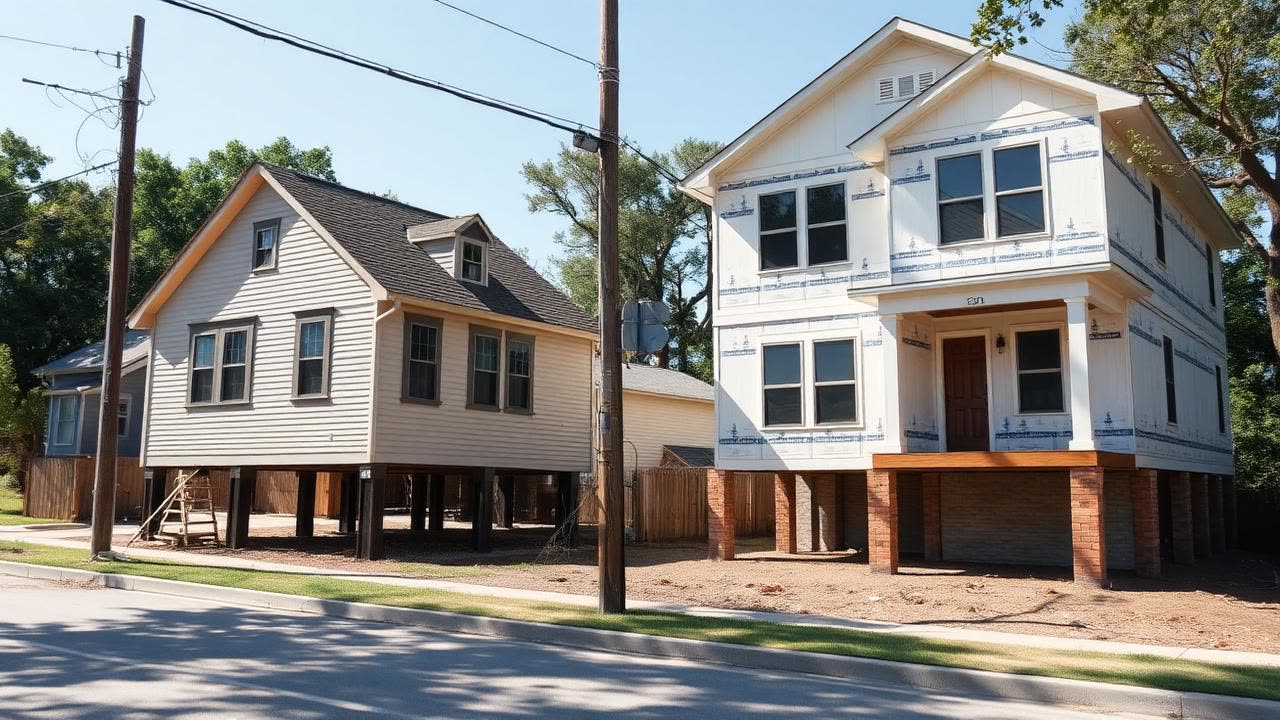
As a general rule of thumb, if a project changes the exterior appearance of your home, you must submit it to the ARC. Even minor changes can trigger fines if they deviate from the neighborhood standard.
Exterior Paint Color
You cannot simply pick up a gallon of paint in your favorite shade from the local hardware store. Most HOAs maintain an approved color palette. Even if you are repainting your home the exact same color it is now, many associations still require you to submit an application to verify the paint matches the existing scheme.
Roof Material and Color
Because your roof is one of the most prominent features of your home, HOAs regulate it heavily. You will need approval for:
- Changing from asphalt shingles to metal or clay tile.
- Altering the color of the shingles.
- Using materials that do not meet the community's fire resistance or aesthetic standards.
Fence Style and Height
Fences are a frequent source of HOA disputes. The ARC typically regulates the height (often limiting backyard fences to six feet), the material (such as wood, vinyl, or wrought iron), and even which side of the fence must face outward toward the street.
Window Style and Frame Color
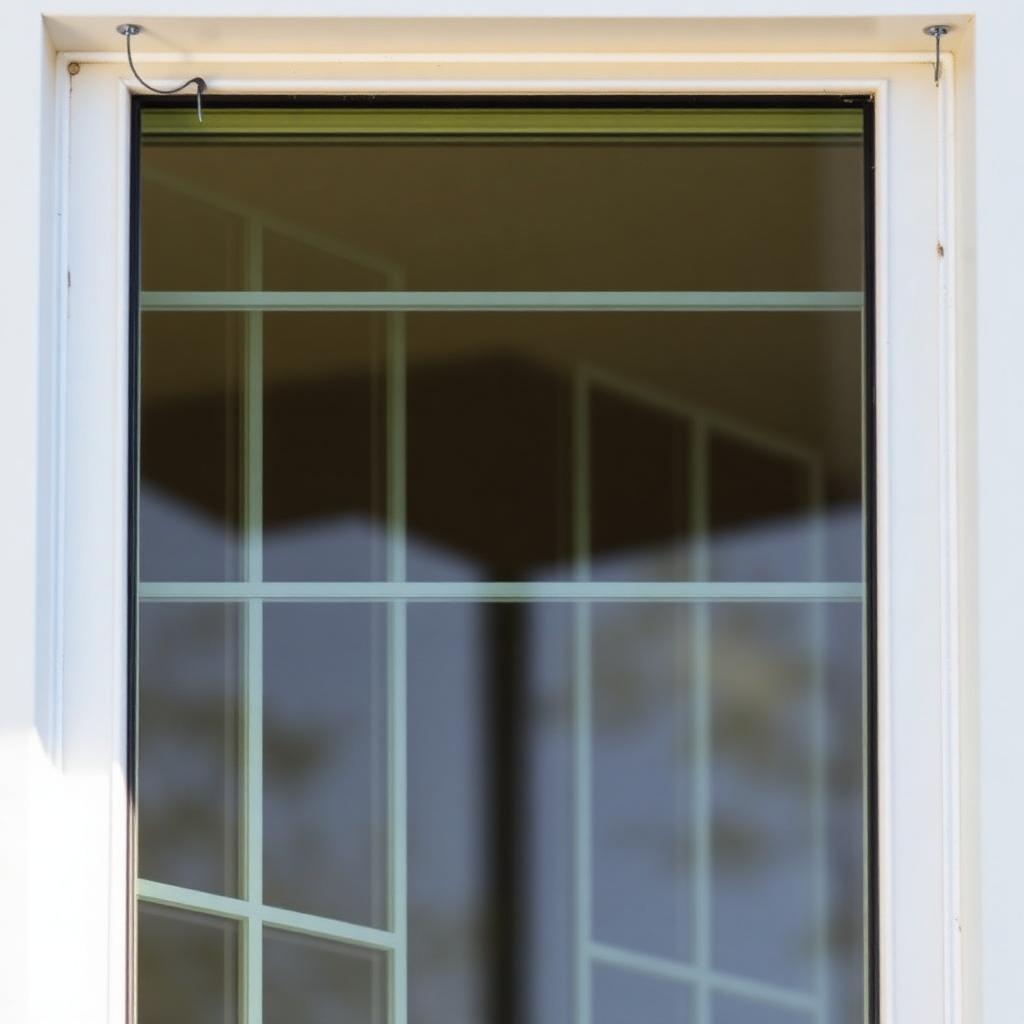
Replacing old, drafty windows seems like a straightforward maintenance task, but changing the grid pattern or the frame color can land you in hot water. If your neighborhood features white vinyl double-hung windows, replacing them with black-framed casement windows without approval will likely result in a violation notice.
Front Door Changes
Your front door is a focal point. Changing the door style, adding glass inserts, or painting it a bold accent color almost always requires ARC approval.
Driveway Material and Footprint
Thinking of replacing your cracked concrete driveway with cobblestone pavers, or widening it to accommodate another vehicle? This requires approval. The HOA will look at stormwater runoff, neighborhood uniformity, and property line setbacks.
Landscaping, Turf, and Hardscape
Your yard is not entirely yours to design. The HOA often regulates:
- The ratio of turfgrass to planting beds.
- The types of trees and shrubs you can plant (often banning invasive species).
- The addition of hardscapes like concrete patios, retaining walls, pergolas, and outdoor kitchens.
| Project Type | Direct Compliance Required? | Typical HOA Restrictions |
|---|---|---|
| Exterior Paint | Yes | Approved color palettes only |
| Roof Replacement | Yes | Specific materials, weights, and colors |
| Fencing | Yes | Height limits, material constraints (wood/vinyl/iron) |
| Windows | Yes | Frame color matching, grid pattern uniformity |
| Driveways | Yes | Material types, width limits, drainage rules |
| Landscaping | Yes | Tree species lists, turf-to-garden ratios, hardscape limits |
State Laws That Override HOA Rules
While HOAs hold significant power, they do not have the final say on everything. State laws frequently override local association rules, particularly regarding environmental sustainability and housing density.
For example, in states like California, Colorado, and Texas, legislatures have passed laws to protect homeowners' rights to make certain environmentally friendly updates.
- Solar Panels: Many states protect your right to install solar energy systems. While an HOA can still require you to submit an ARC application and can ask you to place panels on less visible parts of the roof, they cannot constitutionally or practically block you from installing solar if it significantly reduces the system's efficiency.
- Drought-Tolerant Landscaping: In arid climates, state laws often prohibit HOAs from forcing homeowners to maintain lush, water-intensive green lawns. These laws protect your right to install xeriscaping or artificial turf, though the HOA can still require you to submit a design plan for aesthetic approval.
- Accessory Dwelling Units (ADUs): In states facing housing shortages, like California and Oregon, state laws have severely curtailed an HOA’s ability to ban ADUs (often called granny flats or backyard cottages). An association cannot outright prohibit the construction of an ADU, though they can still regulate design details like height, materials, and colors to ensure they match the main house.
Inside the House: What You Can Skip
The good news is that the vast majority of interior remodeling projects do not require HOA approval. Because these changes cannot be seen from the street or neighboring properties, they do not affect the community's cohesive look.
You generally do not need ARC approval for:
- Kitchen and Bathroom Remodels: Replacing cabinets, countertops, appliances, and fixtures is entirely up to you.
- Flooring Changes: Installing new hardwood, tile, or carpet inside a single-family home does not require approval. Note: If you live in a multi-family condo building, the HOA may regulate underlayments and flooring materials to minimize noise transmission to units below.
- Interior Painting and Millwork: Painting walls, adding crown molding, or updating interior doors is completely private.
- Basement Finishing: As long as you are not adding visible window wells or exterior walk-outs, interior basement finishes are exempt from HOA review.
(Note: While these project types do not need HOA approval, they still require standard city or county building permits.)
The ARC Process: What to Expect
If your project requires approval, you must submit a formal application before any work begins. Expecting to bypass this process because "it is a quick project" is a recipe for expensive delays. Here is how the typical process unfolds.
1. Submit the Application Packet
A standard application requires more than just a description of the project. You will typically need to submit:
- A formal application form signed by the homeowner.
- A plot map showing your property lines and where the changes will occur.
- Detailed architectural drawings or sketches.
- Color swatches, material samples (such as a physical shingle or siding sample), and manufacturer brochures.
- The name and license number of your contractor.
2. The Waiting Period
Once submitted, the ARC has a set timeframe to review your application, which is outlined in your CC&Rs. This period is typically 30 to 60 days.
Do not schedule your contractors to start demolition the day after you submit your paperwork. If you begin work before receiving written approval, you are violating the rules, even if the project is eventually approved.
3. The Decision
The committee will return one of three decisions:
- Approved: You are clear to pull permits and begin construction.
- Approved with Conditions: You can proceed, provided you make specific modifications (e.g., "Approved, but the fence must be stained natural cedar instead of painted white").
- Denied: The project is rejected. You will receive an explanation of which guidelines the project violated, and you will have to revise the plans and resubmit.
The Risks of Building Without Approval
Some homeowners choose to take a "forgiveness rather than permission" approach. This is a highly risky and expensive strategy when dealing with an HOA.
If you build without approval, or paint your house an unapproved color, the HOA has significant legal tools to enforce its rules:
- Daily Fines: Many associations will assess daily fines starting the moment they detect a violation. These fines can accumulate quickly, running into thousands of dollars.
- Property Liens: If you refuse to pay the fines, the HOA can place a lien on your home, making it impossible to sell or refinance until the debt is cleared.
- Forced Removal or Remediation: In extreme cases, the HOA can take legal action to force you to tear down a newly built fence, remove an unapproved roof, or repaint your house back to its original color at your own expense.
Your Pre-Project HOA Checklist
Before signing a contract or purchasing any materials for your next home improvement project, run through this quick checklist to ensure you are legally covered.
- Locate your CC&Rs and Guidelines: Do not rely on hearsay from neighbors. Read the current architectural guidelines yourself.
- Identify the ARC Submission Deadline: Some committees meet once a month. Missing the submission cutoff by one day can delay your project by four weeks.
- Review local state laws: Check if your state overrides HOA rules concerning your specific project (especially for solar, ADUs, or water-saving landscaping).
- Talk to your contractor: Ensure your builder understands they must adhere to HOA guidelines regarding work hours, noise limits, dumpster placement, and material storage.
- Collect all samples: Gather paint chips, roofing brochures, and style guides to submit with your application.
- Confirm written approval: Do not start work based on a verbal "okay" from a board member. Wait until you have the signed approval letter in hand.
Navigating HOA rules can feel like adding extra bureaucracy to an already complex process, but it does not have to stall your dream remodel. Armed with the right preparation and the help of an experienced contractor, you can successfully work within the rules to beautiful results.
If you are planning an upcoming remodel and want to make sure your project is designed and executed beautifully within your community's guidelines, we are here to help. Contact Modern Builders of America today to schedule a free in-home estimate, and let's discuss how we can bring your vision to life safely, legally, and beautifully.