When you own a home, energy efficiency isn't just about reducing your carbon footprint; it is about stopping the quiet, constant drain on your bank account. Making your home more efficient is one of the few investments where the returns are tax-free, immediate, and entirely under your control.
However, not all green upgrades are created equal. Some pay for themselves before the first year is out, while others are long-term plays focused more on resilience and comfort. To help you prioritize your home improvement budget, we have ranked ten of the most common efficiency upgrades by their real-world impact, complete with honest, range-based payback math.
Keep in mind that your actual savings will depend heavily on your local climate, your utility rates, and your family's daily habits.
1. LED Lighting Conversion
If you still have incandescent or halogen bulbs burning in your high-use areas, replacing them is the easiest financial win available to a homeowner.
- The Math: LEDs use roughly 75% to 80% less energy than traditional incandescent bulbs and last up to 25 times longer.
- Typical Payback Period: Less than 12 months.
- Why it ranks first: It requires zero specialized tools, costs very little upfront, and instantly lowers your monthly electric bill. Focus first on the lights you keep on for more than an hour a day, such as kitchen cans, porch lights, and living room lamps.
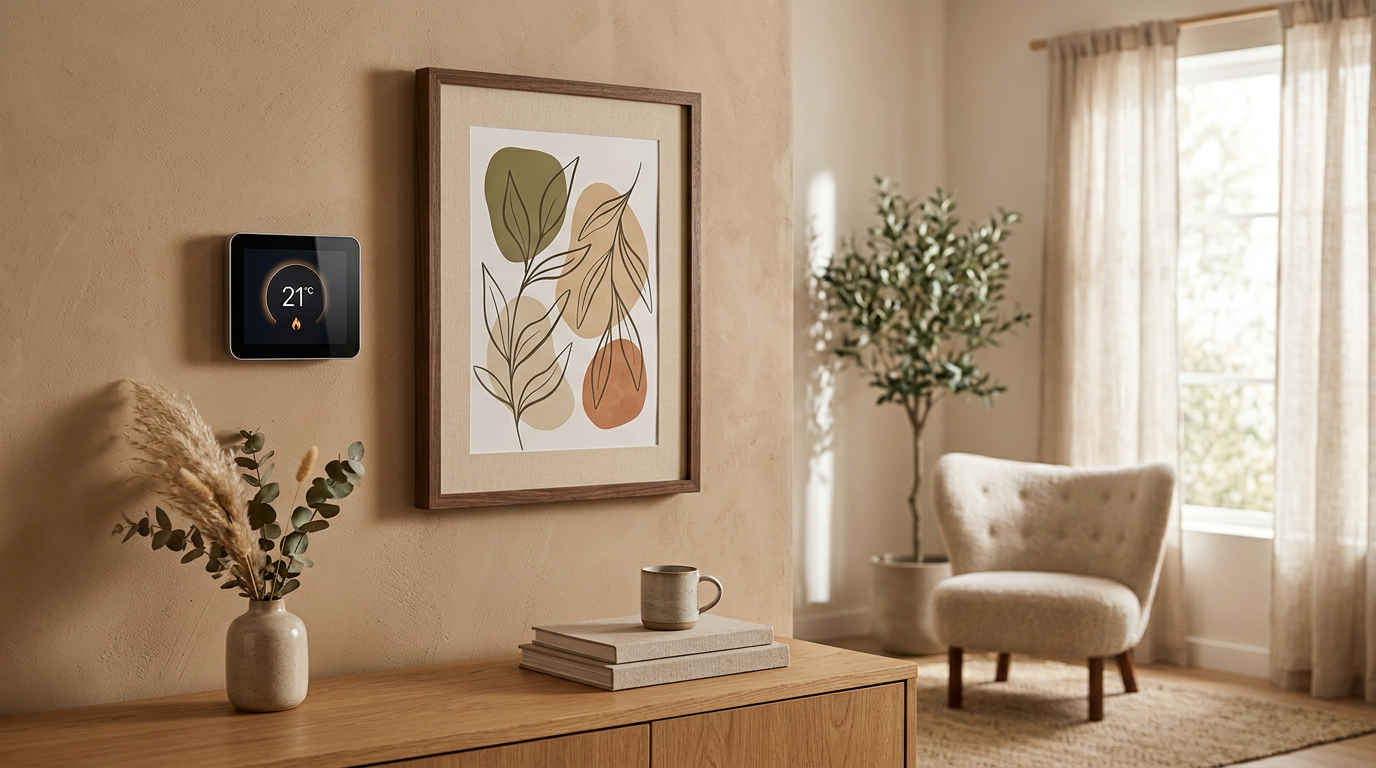
2. Smart or Programmable Thermostats
Heating and cooling make up over half of the average home’s energy consumption. Leaving your system running at peak comfort levels when no one is home is a massive waste of money.
+--------------------------+---------------------+---------------------+
| Upgrade Type             | Typical HVAC Savings| Typical Payback     |
+--------------------------+---------------------+---------------------+
| Smart/Prog. Thermostat   | 5% to 15% annually  | 1 to 3 years        |
+--------------------------+---------------------+---------------------+
- The Math: Programing a setback of 7 to 10 degrees for eight hours a day (while you are at work or asleep) can reduce your heating and cooling bills by up to 10% a year.
- Typical Payback Period: 1 to 3 years.
- Why it ranks second: A basic programmable thermostat is highly inexpensive. Smart models cost a bit more but learn your schedule automatically and allow you to adjust the temperature from your phone, ensuring you never pay to heat or cool an empty house.
3. Comprehensive Air Sealing
Most homes have dozens of hidden gaps and cracks that collectively equal the size of a window left wide open year-round. Air leaks out of your attic floor, around exterior doors, through sill plates in the basement, and around plumbing penetrations.
- The Math: Professional air sealing—using caulk, weather-stripping, and expanding foam—typically reduces heating and cooling costs by 5% to 20%.
- Typical Payback Period: 1 to 3 years (especially as a DIY project).
- Why it ranks third: The materials themselves are incredibly inexpensive. Weather-stripping an exterior door or foaming the gaps around plumbing pipes under your sinks yields immediate, noticeable improvements in draftiness and comfort for very little cash outlay.
4. Attic Insulation Top-Up
Depending on where you live and when your home was built, your attic insulation may be severely lacking. Modern building standards generally recommend insulation values between R-38 and R-60. If you can see your ceiling joists in the attic, you almost certainly need more insulation.
- The Math: Bringing an under-insulated attic up to R-38 or R-60 can trim your overall heating and cooling costs by 10% to 15% in moderate climates, and even more in extreme northern or hot southern regions.
- Typical Payback Period: 3 to 7 years.
- Why it ranks fourth: Blowing in loose-fill fiberglass or cellulose over existing insulation is non-invasive and highly effective. It pairs perfectly with air sealing; you should always seal the attic floor before adding new insulation.
5. Low-Flow Plumbing Fixtures
Water heating is typically the third-largest energy expense in a home. Reducing the volume of hot water you use is just as effective as upgrading the water heater itself.
- The Math: Modern low-flow showerheads use 2.0 gallons per minute (gpm) or less compared to older 2.5 to 5.0 gpm models, with no loss in water pressure. Swapping older toilets for WaterSense-certified 1.28 gallons per flush (gpf) models can save thousands of gallons of water annually.
- Typical Payback Period: 1 to 2 years.
- Why it ranks fifth: This upgrade tackles two bills at once: your water utility bill and the energy bill required to heat that water. The fixtures are inexpensive and easy to install.
6. Heat Pump Water Heaters (Hybrid)
If your home uses a standard electric-resistance water heater (the traditional tank most Americans have), it is essentially a giant toaster element sitting in water. It is incredibly inefficient.
- The Math: Heat pump (or hybrid) water heaters pull heat from the surrounding air and dump it into the water tank. They use 60% to 70% less electricity than standard electric tanks.
- Typical Payback Period: 3 to 6 years, often accelerated by local utility rebates and federal tax credits.
- Why it ranks sixth: While the equipment costs more upfront than a standard tank, the baseline energy savings are so massive that it pays for itself long before its warranty expires.
7. Duct Sealing and Insulation
In homes with forced-air heating and cooling, the ductwork is the highway system for your indoor climate. If those ducts run through unconditioned spaces like attics, crawlspaces, or unfinished basements, leaky joints waste a massive amount of energy.
+--------------------------+---------------------+---------------------+
| Upgrade Type             | Typical HVAC Waste  | Typical Payback     |
+--------------------------+---------------------+---------------------+
| Unsealed Ductwork        | 20% to 30% loss     | Baseline            |
| Sealed/Insulated Ducts   | Under 10% loss      | 3 to 5 years        |
+--------------------------+---------------------+---------------------+
- The Math: The average duct system loses 20% to 30% of its conditioned air to leaks or poor insulation. Sealing ducts with mastic or foil tape, then wrapping them in insulation, recovers that lost capacity.
- Typical Payback Period: 3 to 5 years.
- Why it ranks seventh: It directly improves the performance of your existing heating and air conditioning system, meaning your home warms up or cools down much more quickly.
8. High-Efficiency Heat Pump HVAC Systems
If your air conditioner is over 15 years old, or if you rely on baseboard electric heat or an expensive fuel source like propane or oil, replacing your system with a modern variable-speed heat pump is a game-changer.
- The Math: Modern heat pumps can heat a home even in sub-zero temperatures and are up to 300% to 400% efficient (meaning they deliver three to four times more heat energy than they consume in electricity). Replacing an old, low-efficiency system can slash heating and cooling costs by 20% to 50%.
- Typical Payback Period: 5 to 12 years (depending heavily on the age and fuel type of your current system).
- Why it ranks eighth: It is a major capital investment, which is why we recommend waiting until your current system is near the end of its useful life rather than replacing a perfectly good, semi-modern system.
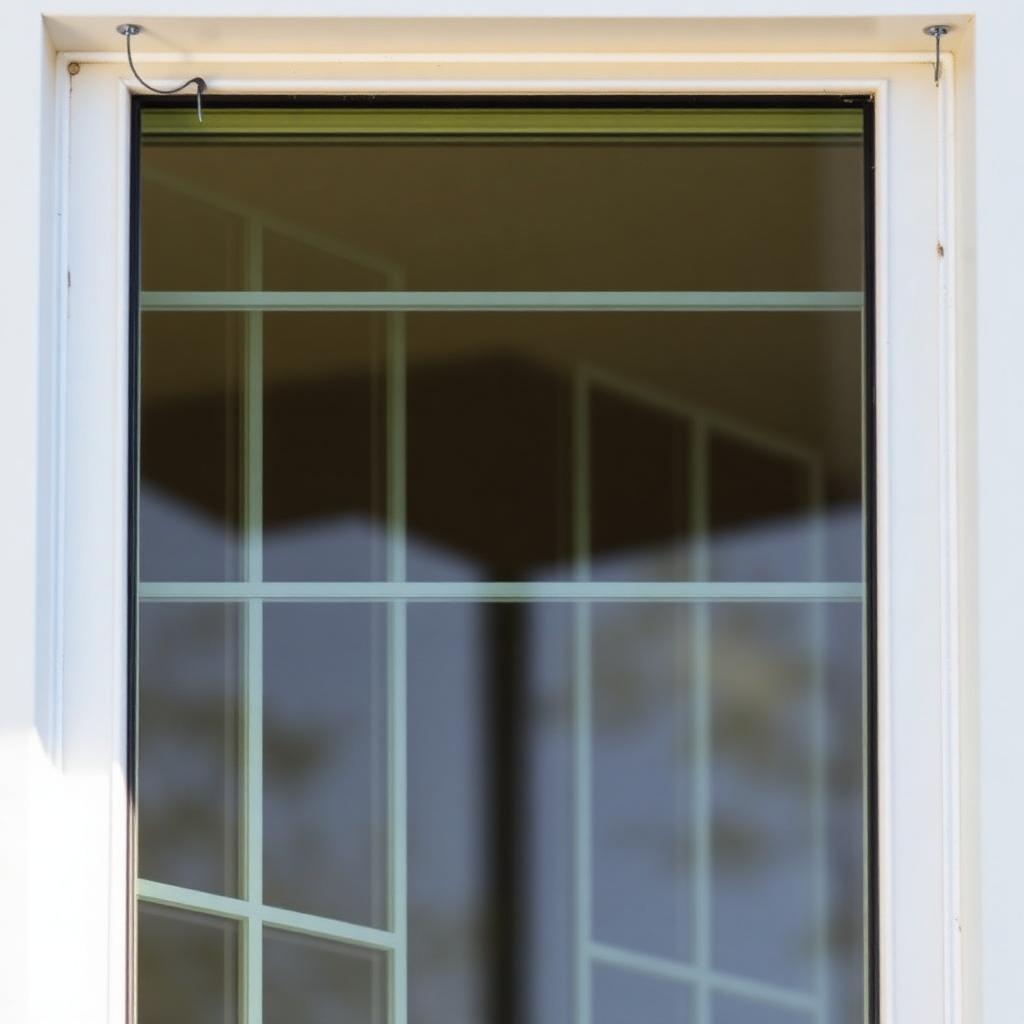
9. Window Upgrades or Storm Windows
Windows are often blamed for high energy bills, but they are expensive to replace. While they offer excellent comfort and aesthetic benefits, they are rarely the most cost-effective energy upgrade on a pure financial basis.
Strategic Window Upgrades
- The Math: Replacing drafty, single-pane windows with double-pane or low-E glass options can reduce heat transfer significantly. However, a whole-house replacement is a major project. For a budget-friendly alternative, installing exterior or interior low-E storm windows over existing single-pane windows offers about 75% of the energy savings for a fraction of the cost.
- Typical Payback Period: 10 to 20+ years for full replacement; 5 to 10 years for storm windows.
- Why it ranks ninth: Full window replacement should be done for comfort, rot repair, aesthetics, and functionality first, with energy savings viewed as an excellent secondary benefit.
10. Solar Panels and Battery Storage
Generating your own clean energy and storing it on-site is the ultimate step in home self-reliance. However, the financial math varies wildy depending on your state’s net metering policies and your local electricity rates.
- The Math: A properly sized solar array can offset up to 100% of your electricity use. Adding a battery backup secures your home against grid outages.
- Typical Payback Period: 8 to 15+ years.
- Why it ranks tenth: While solar is an incredible tool for long-term rate stability, protection against rising utility costs, and environmental stewardship, it has the longest payback period of any major home upgrade. It is best approached as a long-term investment in your property's value and resilience.
How to Choose Your Next Project
Every home is a unique system. Before you dive into major equipment replacements, we always recommend tackling the "low-hanging fruit" first: air sealing, attic insulation, and smart controls. These foundational steps reduce your home's overall heating and cooling load, meaning that when the time eventually comes to replace your furnace or air conditioner, you can install a smaller, less expensive system to do the same job.
If you are ready to make your home more comfortable, draft-free, and efficient, we are here to help you build a smart, step-by-step plan. Reach out to our team at Modern Builders of America today to schedule a free in-home estimate, and let's discuss which upgrades make the most financial sense for your specific home.