When you invest in your home, it is easy to get caught up in the immediate visual payoffs—the gleaming new countertop, the fresh coat of paint, or the modern light fixtures. However, the truest measure of a home improvement’s value is how many decades it will serve your family before it needs to be replaced. By choosing materials and construction methods designed for the long haul, you save money, avoid repetitive construction disruptions, and build lasting equity.
Here is a look at the ten longest-lasting home improvements you can make, ranked by their real-world lifespans, along with the critical installation details that ensure they actually last.
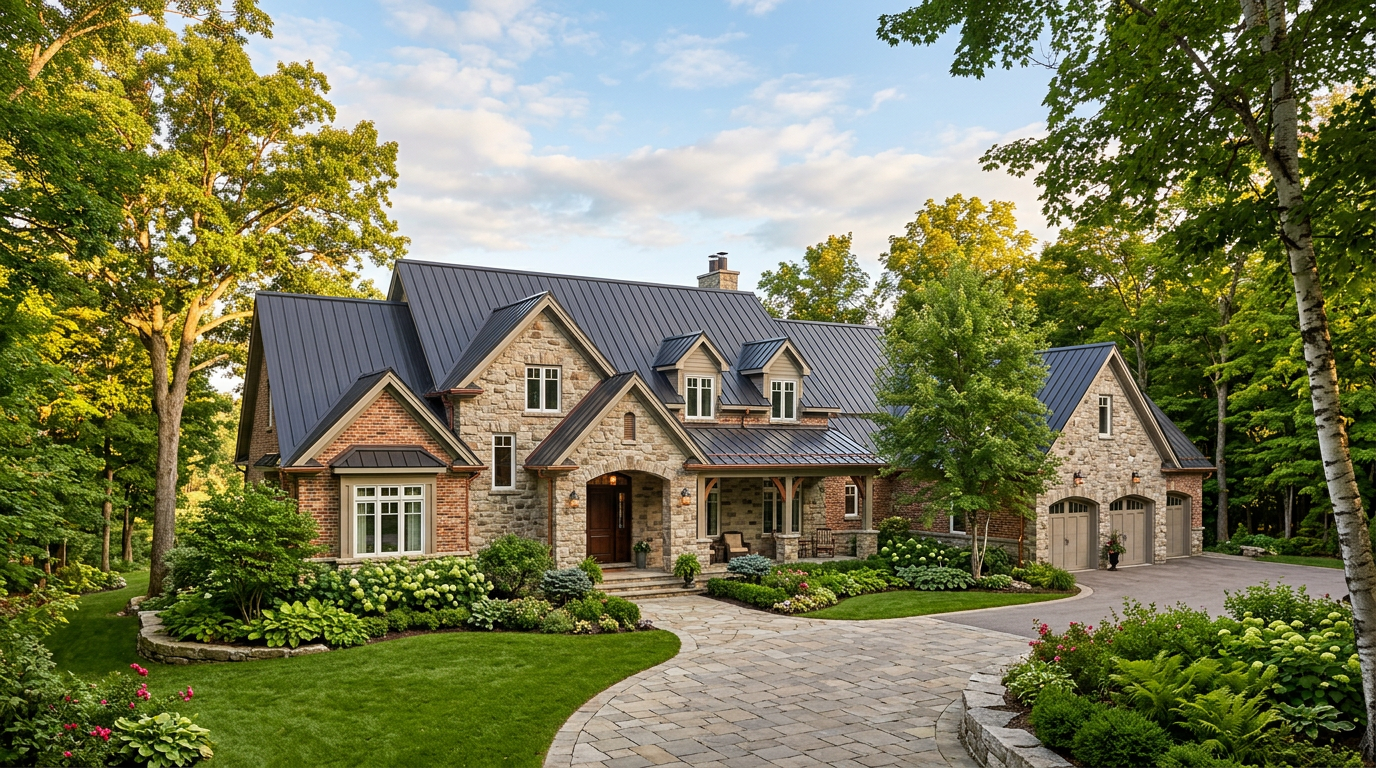
1. Brick or Stone Exterior (100+ Years)
Masonry is the gold standard for home exteriors, easily lasting a century or more when installed correctly. Natural stone and clay brick do not rot, dent, insect damage is a non-issue, and they never require painting. They are virtually impervious to the elements, making them a permanent shield for your home’s structural skeleton.
+------------------+-----------------------------+-----------------------------+
| Material         | Expected Lifespan           | Primary Maintenance         |
+------------------+-----------------------------+-----------------------------+
| Clay Brick       | 100+ Years                  | Occasional tuckpointing     |
| Natural Stone    | 100+ Years                  | Occasional tuckpointing     |
| Manufactured     | 50+ Years                   | Inspecting mortar/weeps     |
+------------------+-----------------------------+-----------------------------+
Why It Lasts
The sheer density of stone and hard-fired clay brick allows them to withstand extreme freeze-thaw cycles and intense solar heat. However, the secret to their longevity is not just the stone itself, but how water is managed behind it. Proper masonry includes a drainage plane—a small air gap between the brick and the house framing—paired with weep holes at the bottom of the wall. This allows any moisture that penetrates the brick to safely run down and escape.
The Corners Cheap Contractors Cut
To save money, cut-rate installers often skip the drainage plane or fail to install weep holes, trapping water inside the wall assembly. This leads to rot in your home’s wood framing long before the brick itself ever fails. Additionally, using cheap, high-strength Portland cement mortar on older, softer bricks can cause the bricks to crack and spall during temperature swings.
2. Structural Framing Upgrades (Permanent)
When you peel back the drywall during a remodel, you have a once-in-a-generation opportunity to upgrade the bones of your house. Structural improvements—like replacing sagging wood joists with Laminated Veneer Lumber (LVL) beams, adding hurricane ties, or installing advanced framing techniques that allow for extra insulation—are completely permanent. Once the drywall goes back up, these upgrades protect your home’s structural integrity forever.
Why It Lasts
Engineered wood products like LVLs are manufactured by bonding thin wood veneers together under immense pressure with waterproof adhesives. They are stronger, straighter, and far less prone to shrinking, warping, or twisting than traditional solid-sawn lumber. When combined with modern metal connectors and bolts, these systems anchor your home’s roof and floors directly to the foundation.
The Corners Cheap Contractors Cut
Under-building is a common issue when permits are bypassed. A cheap contractor might reuse sagged joists, sister them with weak lumber, or skip structural connectors (like joist hangers and thrubolts) in favor of simple toe-nailing. Over time, this leads to bouncy floors, cracked plaster, and sticking doors.
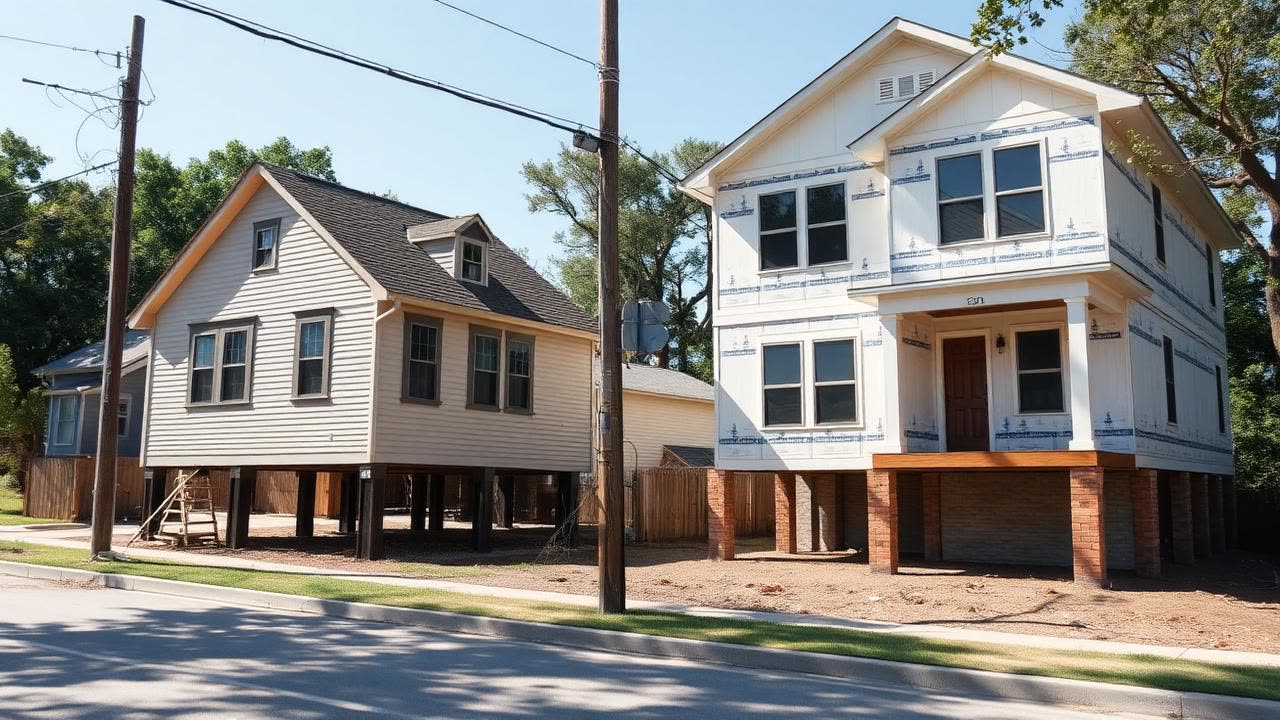
3. Foundation Repair and Reinforcement (50+ Years)
A home is only as stable as the dirt it sits on. When a foundation begins to settle, crack, or bow, addressing the issue with professional piering and upgraded drainage is a permanent fix. A properly engineered foundation repair can easily secure a house for another 50 to 100 years.
Why It Lasts
High-quality foundation repair relies on heavy-duty steel push piers or helical piers driven deep into the earth until they hit load-bearing strata or bedrock. These systems bypass the unstable, shifting topsoil entirely. Concurrently, installing robust exterior French drains and grading the soil away from the foundation keeps hydrostatic pressure from forcing water through the concrete walls.
The Corners Cheap Contractors Cut
The most common shortcut is relying on cosmetic "fixes," such as patching concrete cracks from the inside with epoxy without addressing the shifting soil underneath. Another corner cut is installing shallow concrete piers that do not reach true load-bearing soil, ensuring the house will sink again within a few years.
4. Standing-Seam Metal Roofing (50 to 70 Years)
While standard asphalt shingles must be replaced every 15 to 20 years, a premium standing-seam metal roof can easily last three times longer. This system utilizes raised, interlocking seams that sit above the roof plane, keeping fasteners protected from the weather.
+-------------------------+----------------------+-----------------------------+
| Roof Type               | Average Lifespan     | Fastener Exposure           |
+-------------------------+----------------------+-----------------------------+
| Asphalt Shingle         | 15–20 Years          | Exposed / Penetrated        |
| Exposed Fastener Metal  | 20–30 Years          | Exposed rubber washers      |
| Standing-Seam Metal     | 50–70 Years          | Completely concealed        |
+-------------------------+----------------------+-----------------------------+
Why It Lasts
The absence of exposed screws is the secret. Because the fasteners are concealed beneath the metal panels, they are never exposed to rain, wind, or UV rays. The heavy-gauge steel or aluminum panels are coated with high-performance PVDF (Kynar) finishes that resist fading, chalking, and rust for decades.
The Corners Cheap Contractors Cut
Many roofing companies offer "screw-down" metal roofs (exposed fastener panels) as a cheaper alternative. These systems rely on thousands of exposed neoprene washers that dry rot and leak within 10 to 15 years. True standing-seam roofs require skilled, labor-intensive hand-crimping and meticulous flashing details around chimneys and valleys.
5. Copper or PEX-A Plumbing (50+ Years)
Repiping a home is a major disruption, which is why you want to use materials designed to outlast your tenure in the home. Both L-grade copper and premium PEX-A (cross-linked polyethylene) tubing are engineered to carry water reliably for over half a century.
Why It Lasts
Copper is naturally antimicrobial, highly resistant to corrosion, and rigid enough to prevent sagging in joist bays. PEX-A is highly flexible and expands up to three times its diameter, making it incredibly resistant to freeze damage. PEX-A also uses expansion fittings that do not restrict water flow or require glues or torches, reducing the points of failure in the system.
The Corners Cheap Contractors Cut
To win jobs with low bids, some plumbing contractors use lower-grade PEX-B or PEX-C, which are less flexible and rely on crimp rings that can slip or corrode. Others use thin-walled Type M copper (intended for light residential use) instead of the thicker Type L, which is farmore resilient against aggressive water chemistry.
6. Fiber-Cement Siding (50 Years)
Fiber-cement siding, pioneered by James Hardie, is a mixture of cellulose fibers, sand, and cement. It delivers the warm aesthetic of natural wood siding but with the durability of concrete. When installed and painted correctly, it will easily protect your home for 50 years.
Why It Lasts
Fiber-cement is impervious to termites, woodpeckers, and fire. Unlike wood, it does not expand and contract significantly with changes in humidity, which means paint adheres to it far longer—typically requiring repainting only once every 15 years compared to wood’s 5-year cycle.
The Corners Cheap Contractors Cut
Fiber-cement is heavy, brittle before installation, and requires highly specific installation methods. Shoddy installers often skip blind-nailing techniques, use standard steel nails that rust and bleed, or fail to leave the required 2-inch clearance from roof lines and decks, allowing standing water to slowly soften the bottom edges of the planks.
7. Solid Wood or Engineered Hardwood Flooring (50 to 80 Years)
A true hardwood floor is one of the few flooring materials that appreciates in value and character over time. Unlike carpet, luxury vinyl plank (LVP), or laminate—all of which must be thrown in a landfill after 10 to 15 years—quality wood floors can be sanded and refinished multiple times.
Why It Lasts
A 3/4-inch solid hardwood plank has a thick "wear layer" above the tongue-and-groove joint, allowing it to be completely sanded down and refinished 5 to 7 times over its life. High-quality engineered hardwoods with a thick, 4mm to 6mm sawn wear layer offer similar longevity while providing superior stability in damp basements or humid climates.
The Corners Cheap Contractors Cut
Subfloor preparation is where cheap installers cut corners. Laying hardwood over an uneven, squeaky, or moisture-ridden subfloor causes the planks to cup, gap, or split over time. Additionally, bargain engineered woods often have a paper-thin rotary-peeled wear layer (less than 1mm) that cannot be sanded even once without ruining the floor.
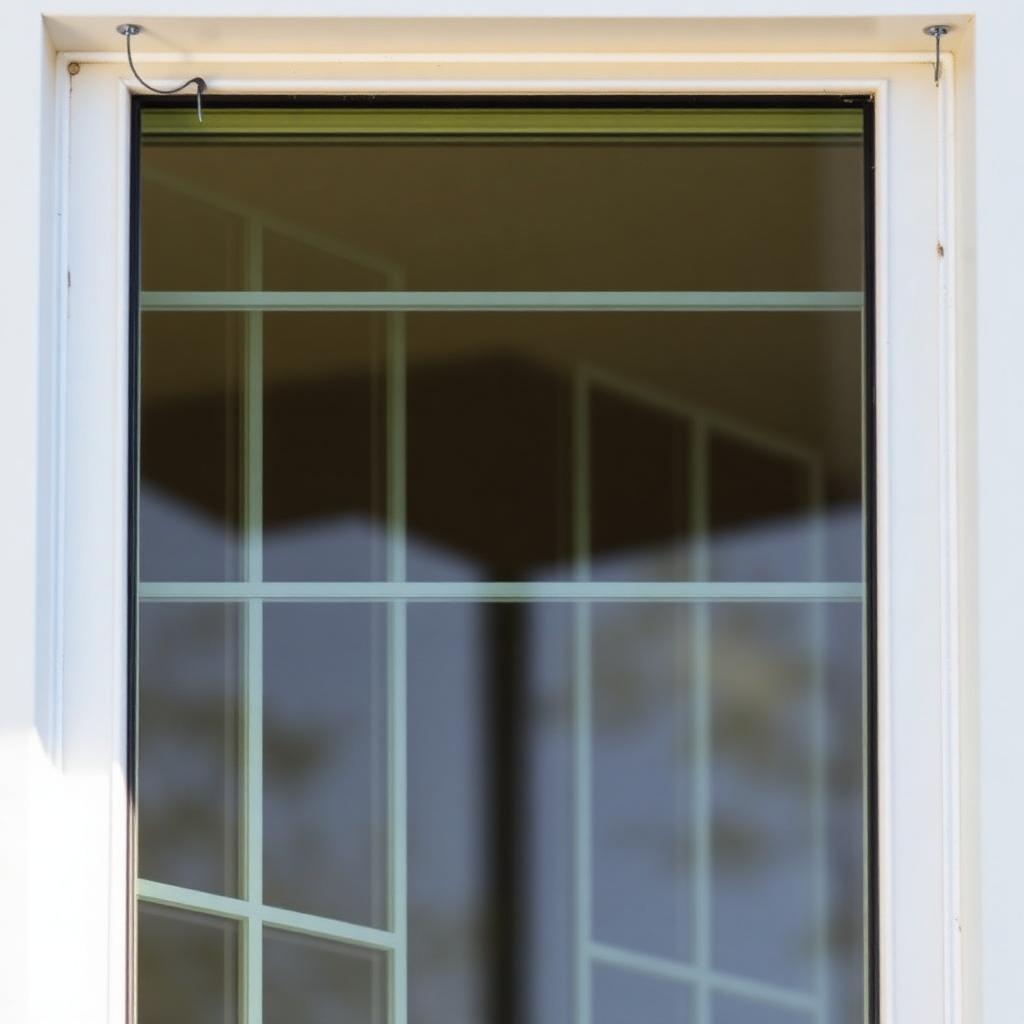
8. Impact-Rated Fiberglass or Steel Windows (40 to 50 Years)
Your home’s windows are subject to constant movement, wind pressure, and solar baking. While cheap vinyl windows bow, warp, and lose their seals within 15 years, high-end fiberglass or heavy-gauge steel windows are built to perform for up to half a century.
Why It Lasts
Fiberglass is made of glass fibers and polyester resin. Because it is essentially the same material as the glass panes it holds, it expands and contracts at the exact same rate during temperature swings. This prevents the frame from pulling away from the glass, preserving the gas fills and weather seals for decades. Steel windows offer unparalleled structural strength and timeless architectural appeal that never goes out of style.
The Corners Cheap Contractors Cut
The best window on earth will fail if the rough opening is not flashed correctly. Poorly trained installers often rely heavily on expanding foam and cheap silicone caulk to seal the window, rather than proper adhesive flashing tapes and sloped sills. When the caulk fails after a few seasons, water leaks directly into the wall cavity.
9. Solid Wood or All-Plywood Cabinetry (30 to 50 Years)
Kitchen cabinets endure constant daily abuse—slammed doors, heavy cookware, and exposure to moisture and grease. Upgrading to custom or semi-custom cabinets built with all-plywood boxes and solid hardwood face frames ensures your kitchen remains functional and beautiful for decades.
Why It Lasts
Plywood boxes hold screws much tighter than particleboard or medium-density fiberboard (MDF) and do not swell or crumble if they get wet from a minor sink leak. Combining these robust boxes with solid wood drawer boxes featuring dovetail joints and heavy-duty, soft-close hardware (like Blum hinges) ensures the moving parts survive hundreds of thousands of cycles.
The Corners Cheap Contractors Cut
Many mass-market cabinets are made from cheap particleboard covered in a thin plastic laminate that mimics wood grain. Once moisture touches these cabinets, the edges swell and peel, and the hinges eventually tear out of the soft walls. Cheap drawer glides will sag and bind within just a few years of holding heavy plates.
10. Poured Concrete Driveways with Proper Subgrade (40 Years)
A driveway takes a beating from heavy vehicles and shifting weather. A cheap asphalt driveway typically needs replacement within 15 to 20 years, whereas a properly engineered poured concrete driveway can easily last 40 years or more with minimal maintenance.
Why It Lasts
The longevity of concrete is determined before the cement truck even arrives. A long-lasting driveway requires a thick, compacted gravel base (the subgrade) that allows water to drain away, preventing the soil underneath from washing out or shifting. This must be paired with steel rebar reinforcement throughout the pour and deep control joints to manage where the concrete naturally cracks over time.
The Corners Cheap Contractors Cut
To lower their price, contractors will often pour concrete directly onto raw dirt without a gravel base, skimp on the thickness of the slab (pouring 3 inches instead of a solid 4 to 5 inches), or lay down flimsy wire mesh instead of robust steel rebar. Without proper support, heavy vehicles will quickly cause the concrete to crack, sink, and crumble.
Making smart structural choices ensures your remodeling dollars work harder for you over the long run. If you are planning a renovation and want to build with materials and methods that are engineered to last a lifetime, we are here to help. Reach out to the team at Modern Builders of America to schedule a free in-home estimate at /contact and let’s discuss how we can build lasting value into your home.