When we think about home remodeling, we usually focus on the visual transformations: a brighter kitchen, a more spacious master bath, or a deck built for summer hosting. But the most important job your home has is simpler and far more critical: keeping your family safe.
Over decades of working inside residential walls, we have seen how small, intentional updates can dramatically lower the risks of fire, water damage, electrical failure, and physical injury. Here are ten of the most effective upgrades you can make to your home to measurably improve its safety, along with a few modern smart technologies that offer continuous peace of mind.
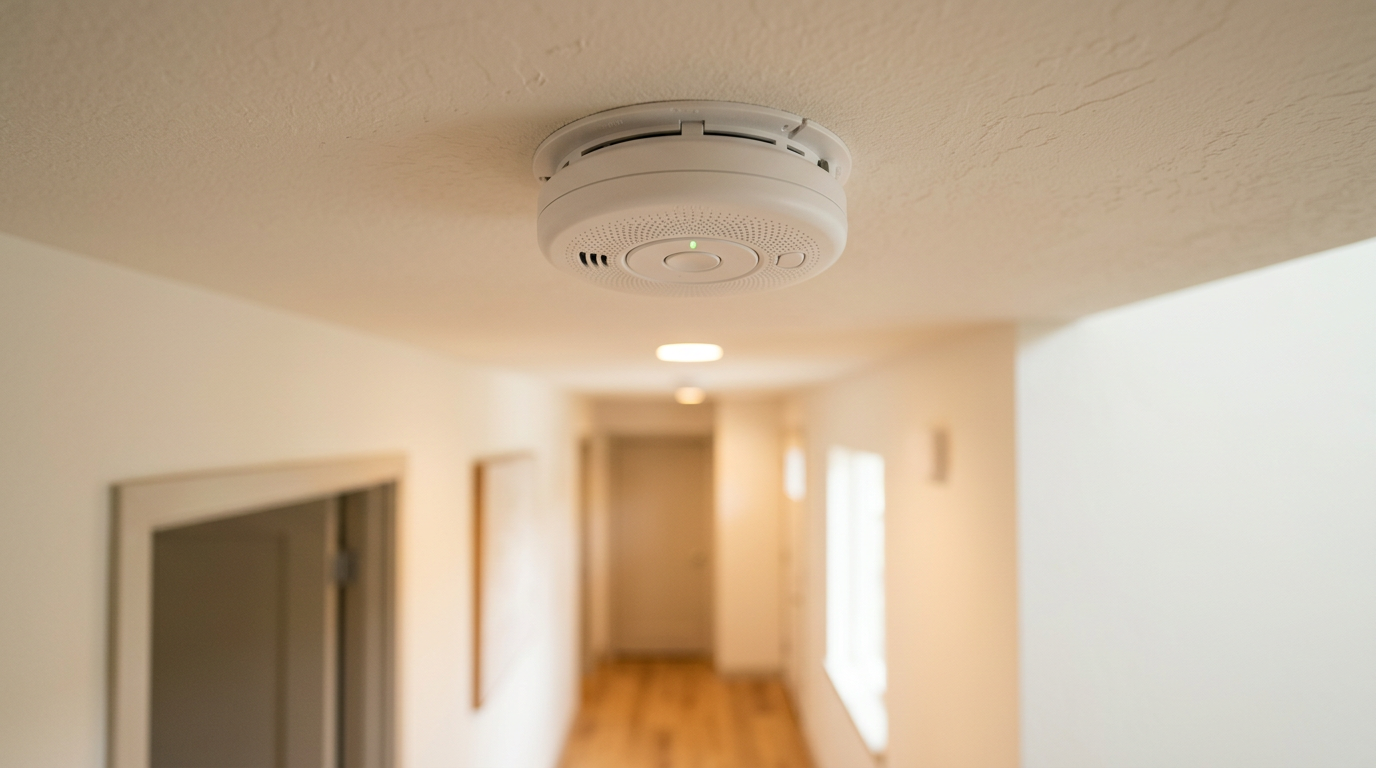
1. Upgrade to Interconnected Smoke and Carbon Monoxide Alarms
Most homeowners know they need smoke detectors, but many do not realize that the technology inside these units degrades over time. Sensors lose sensitivity, which is why safety standards dictate that all smoke and carbon monoxide (CO) alarms must be completely replaced every 10 years.
To maximize safety, your alarms should be interconnected. If a fire starts in a downstairs utility room, the alarm in your upstairs bedroom should sound immediately, giving you precious extra minutes to escape.
- Placement: Ensure there is an alarm on every level of the home, inside every bedroom, and directly outside every sleeping area.
- Dual-Sensor Technology: Look for units that feature both ionization sensors (better for fast, flaming fires) and photoelectric sensors (better for slow, smoldering fires).
- Power Source: While older homes rely on battery-operated units, modern building codes require hardwired alarms with battery backups.
2. Install a Whole-Home Surge Protector at the Main Panel
With our homes increasingly filled with sensitive electronics, smart appliances, and home automation systems, standard power strips are no longer enough. A single major lightning strike or a utility grid fluctuation can easily fry thousands of dollars worth of equipment. Worse, repeated minor surges degrade insulation on wiring over time, creating silent fire hazards.
+---------------------------+----------------------------------------------+
| Feature                   | Whole-Home Surge Protector                   |
+---------------------------+----------------------------------------------+
| Installation Point        | Main electrical panel                        |
| What It Protects          | Major appliances, HVAC, all wall outlets     |
| Average Lifespan          | 3 to 5 years, depending on surge activity    |
+---------------------------+----------------------------------------------+
A licensed electrician can install a Type 1 or Type 2 surge protection device directly onto your main electrical panel. This stops excess voltage at the threshold before it ever travels through your home's branch circuits.
3. Install a Smart Water Shutoff Valve
Water damage is one of the most common and costly property losses homeowners face. A burst washing machine hose or a frozen pipe can dump hundreds of gallons of water into your home in a matter of minutes, destroying drywall, flooring, and personal belongings.
At a minimum, every adult in your household must know where the main manual water shutoff valve is located and ensure it is easily accessible—not buried behind drywall or heavy storage boxes.
For Proactive Protection:
- Smart Auto-Shutoff Valves: Systems like the Moen Flo or Phyn are installed on your main water line. They continuously monitor water pressure and flow rate.
- Automated Action: If the system detects an unusual, continuous flow of water indicative of a burst pipe, it automatically shuts off the main water valve and sends an alert to your smartphone.
4. Modernize Electrical Safety with GFCIs and AFCIs
Electrical safety technology has advanced significantly over the last few decades. If your home has not been rewired or updated recently, you are likely missing out on two essential life-saving technologies.
Ground Fault Circuit Interrupters (GFCI)
GFCI outlets monitor the balance of electrical current moving through a circuit. If they detect an imbalance—which can happen if water introduces a path to the ground—they cut off the power in milliseconds. These are vital in "wet areas" like kitchens, bathrooms, laundry rooms, garages, and outdoor locations.
Arc Fault Circuit Interrupters (AFCI)
Where GFCIs protect people from shocks, AFCIs protect your home from electrical fires. They detect unintended electrical arcs (sparking), which are a primary cause of home fires and often occur in damaged appliance cords, pinched wires, or loose connections inside walls. AFCIs are typically installed as specialized breakers directly in your main panel and are standard for living spaces in modern building codes.
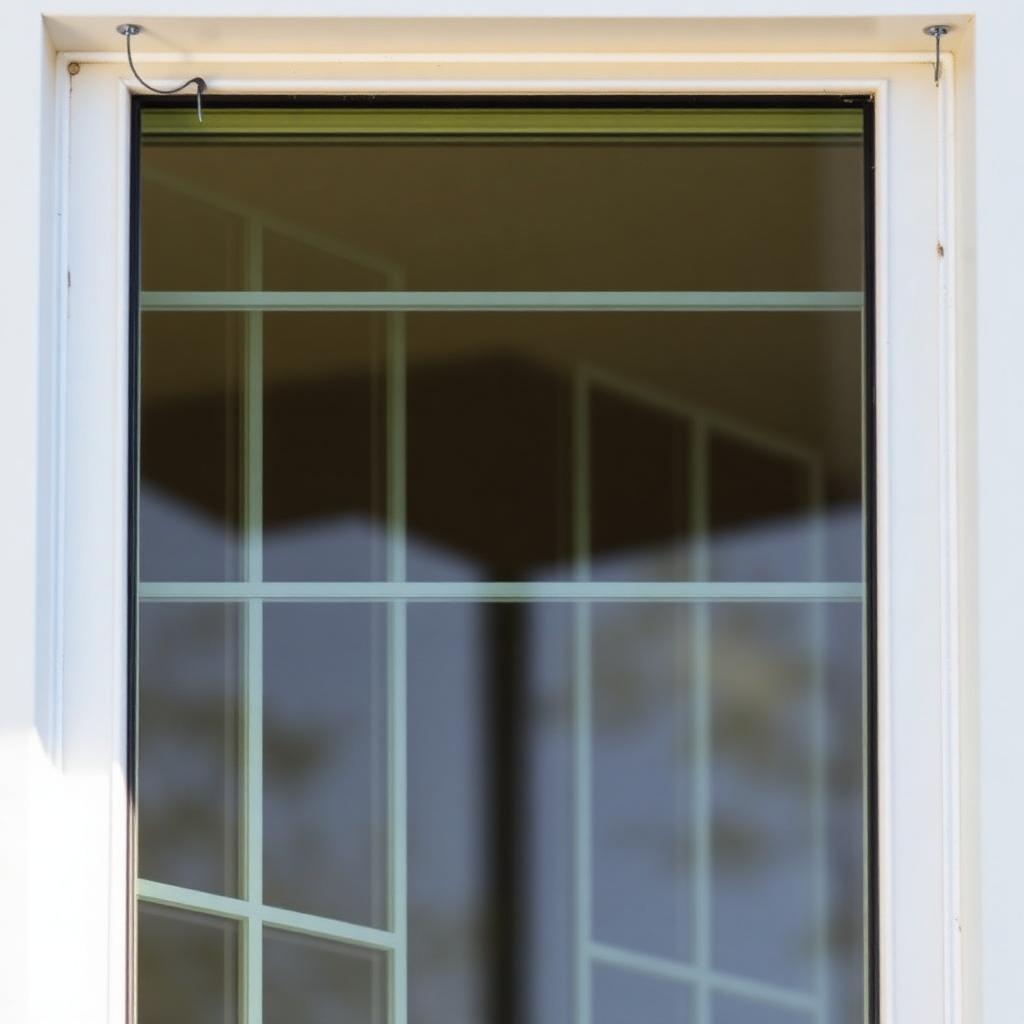
5. Ensure Emergency Egress Windows in Bedrooms
If a fire blocks your primary hallway, every bedroom must have a secondary way out. By modern building codes, this means having an egress window that is large enough for an adult to climb out of, and for a firefighter wearing full gear to climb into.
This is a particularly common issue in finished basements. If you have a bedroom in your basement, it is legally required to have an operational egress window. These projects involve excavating a window well outside, cutting into the concrete foundation wall, and installing a window that meets strict height and width requirements, complete with a permanent ladder or steps in the well.
6. Install Double Handrails and Non-Slip Stair Nosings
Falls on stairs are among the most common causes of serious injury in residential properties. While many staircases only have a handrail on one side, adding a matching handrail to the opposite wall provides stability for individuals of all heights and mobility levels.
+-------------------------+------------------------------------------------+
| Staircase Element       | Safety Standard                                |
+-------------------------+------------------------------------------------+
| Handrail Height         | Between 34 and 38 inches above the stair tread |
| Handrail Grip           | Must be graspable (no oversized flat boards)   |
| Tread Surface           | Non-slip nosing or low-pile carpet runner      |
+-------------------------+------------------------------------------------+
If you have hardwood or painted stairs, the edges (nosings) can become dangerously slick. Adding a subtle, non-slip adhesive strip or low-profile metal nosing significantly increases traction without compromising the aesthetic of your staircase.
7. Test for and Mitigate Radon Gas
Radon is a naturally occurring, odorless, tasteless, and invisible radioactive gas that enters homes through cracks in the foundation, construction joints, and gaps around pipes. According to the EPA, radon is the leading cause of lung cancer among non-smokers.
Because you cannot see or smell radon, the only way to know if it is present is to test for it. You can purchase simple DIY charcoal test kits at any home improvement store, or hire a professional to run a continuous electronic monitor. If your test results reveal levels above the EPA’s action limit, a mitigation professional can install a sub-slab depressurization system. This pipe-and-fan system safely draws radon gas from beneath your foundation and vents it harmlessly into the outside air above your roofline.
8. Place and Maintain Fire Extinguishers in Key Areas
A fire extinguisher is only useful if it is functional and within easy reach when an emergency strikes. You should keep at least one multi-purpose ABC-rated fire extinguisher in the kitchen (where most home fires start) and another in the garage or workshop.
- Mounting: Do not hide your extinguisher at the back of a cluttered pantry. Mount it on the wall near an exit path so you can reach it quickly without putting yourself in a corner.
- Maintenance: Check the pressure gauge monthly to ensure the needle is in the green zone. Shake dry-chemical extinguishers once a year to prevent the powder inside from settling and packing down. Keep in mind that disposable fire extinguishers generally need to be replaced every 12 years.
9. Secure Pools with Code-Compliant Fencing and Self-Closing Gates
If your home has a pool, securing the perimeter is a non-negotiable safety priority. Local municipalities have strict building codes regarding pool barriers, and for good reason.
An effective pool fence should stand at least 48 inches tall (higher in some jurisdictions) and feature vertical pickets spaced close enough together that a small child cannot squeeze through. Gates must open outward (away from the pool area), be self-closing, and feature a self-latching mechanism positioned high enough that children cannot reach it. To prevent unauthorized entry from the home itself, also consider installing alarms on any doors or windows that lead directly to the pool deck.
10. Establish Backup Power and Extreme Weather Plans
Extreme weather events and utility blackouts are becoming more frequent. If you or a loved one relies on electrically powered medical equipment—such as oxygen concentrators or CPAP machines—having a reliable backup power plan is a necessity.
- Whole-Home Standby Generators: These systems run on natural gas or propane and sit permanently outside your home. When the utility power drops, an automatic transfer switch detects the loss and starts the generator, restoring power to your critical circuits within seconds.
- Portable Power Stations: If a full standby generator is not feasible, high-capacity battery power stations can be kept charged inside the home, ready to run essential medical devices quietly and safely indoors without the exhaust hazards of gasoline-powered portable generators.
A Note on Modern Smart Home Security and Safety Sensors
While physical renovations form the foundation of home safety, incorporating smart home sensors adds a crucial layer of early detection. Consider integrating these low-profile devices into your home security layout:
- Smart Smoke Detectors: These units send instant alerts to your phone if they detect smoke or CO, allowing you to call emergency services even if you are away from home.
- Smart Leak Sensors: Placed under sinks, near the water heater, and behind the washing machine, these puck-sized sensors alert you to the very first drop of water long before a major leak develops.
- Door and Window Sensors: These magnetic sensors notify you if an entry point is left open, helping prevent break-ins and ensuring small children do not wander outside unsupervised.
Taking a proactive approach to these ten areas can drastically reduce the risk of structural damage and personal injury in your home. If you want to review your home's current safety systems, update your electrical panels, or explore structural additions like egress windows or basement remodeling, we are here to help. Contact us at Modern Builders of America to schedule a free in-home consultation and discuss how we can make your space safer and more comfortable.